
Skin repair products are creams, balms and serums that help restore your skin barrier, the outer layer that keeps water in and irritants out. To choose the right one, start with your skin type: a rich balm suits very dry skin, while a light gel-cream suits oily and sensitive skin. This guide explains the main types of skin repair products, how to use them, and the mistakes that slow results, with picks from Dr.Althea, La Roche-Posay and SKIN1004.
Quick answer
- Skin repair means supporting your natural barrier, which is made of tough skin cells held together by lipids such as ceramides, cholesterol and fatty acids.
- The clearest signs of a damaged barrier are dryness, flaking, itching, tightness and stinging from products that used to feel fine.
- Choose a moisturizer with ceramides, panthenol (vitamin B5) or centella extract, and apply it to damp skin right after cleansing.
- Pause scrubs and strong actives, wash with a gentle cleanser and lukewarm water, and wear sunscreen every day.
- Skin usually feels better within weeks, but it can take three to four months before the benefits of your routine really start to show.
- If irritation is severe or persistent, or you notice a rash or inflammation, see a dermatologist or pharmacist.
What is skin repair and what is the skin barrier?
Skin repair is about helping your protective barrier get back its ability to hold moisture and block irritants. Cleveland Clinic explains that the skin barrier is part of the stratum corneum, the outermost layer of skin, and is often compared to a brick wall: tough skin cells (corneocytes) are the bricks, and natural lipids such as ceramides, cholesterol and fatty acids are the mortar that fills the gaps.
When that wall weakens, water escapes faster and skin reacts more to soap, fragrance, heat and sun. Repair products top up missing lipids, draw water into the outer layer and form a protective film that slows water loss, so your skin can rebalance on its own.
What weakens the skin barrier?
- Harsh soaps and cleansers, and washing too often or for too long.
- Over-exfoliating with scrubs or acids.
- Skipping moisturizer, especially with dry air and constant air conditioning.
- Very hot water and unprotected sun exposure.
- Age, since the barrier renews itself more slowly over time.
How do you know your skin barrier is damaged?
If your skin feels tight, dry and itchy, looks flaky or rough, or your usual products suddenly sting, those are common signs of a weakened barrier. Cleveland Clinic also lists redness, irritation and extra sensitivity, and notes that skin may become more prone to breakouts.
These signs can overlap with skin conditions that need a diagnosis, such as eczema, rosacea and psoriasis. If redness is widespread, you have inflamed bumps or cracks that bleed, or your skin does not improve with gentle care, see a dermatologist before trying new products.
What types of skin repair products are there?
Skin repair products fall into five main groups based on how they work, and good formulas often combine several. DermNet explains that moisturizers usually contain emollients that soften skin, humectants that attract water, and occlusives that reduce evaporation.
1. Ceramide and barrier-lipid creams
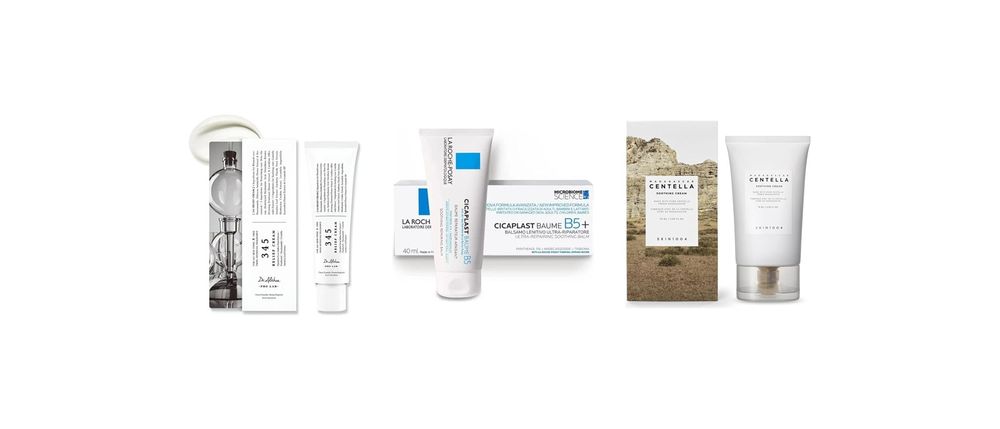
Ceramides are lipids found naturally in your barrier, and Cleveland Clinic recommends moisturizers that contain ceramides, fatty acids and lipids. Good examples are the SKIN1004 Madagascar Ceramide Soothing Cream with Centella, which hydrates and strengthens the natural barrier, and the Anua Rice Ceramide Barrier Serum from Anua, made with seven rice extracts and ceramides as a light layer under your moisturizer.
2. Repair balms and panthenol (vitamin B5)
A balm is richer than a cream and suits very dry, irritated patches. La Roche-Posay Cicaplast Baume B5+ is one of the best-known options: it hydrates, soothes and helps repair the skin barrier. Along the same lines, the Mixa Cica Repair+ Multi-Purpose Balm from Mixa targets dry skin, and Bepanthen Moisturizing Skin Cream from Bepanthen soothes dry, irritated skin with a fast-absorbing texture.
3. Centella (cica) products
Centella asiatica, often shortened to "cica", is a plant whose extract is widely used to calm sensitive skin. Dr. Althea 345 Relief Cream is a lightweight gel cream that soothes, hydrates and supports the barrier without a greasy feel. Deoproce Cica Repair Cream from Deoproce pairs soothing with deep hydration, and SKIN1004 Hyalu-Cica Moisture Cream is a light cream for sensitive skin with long-lasting moisture.
4. Humectant hydrators
Humectants pull water into the outer layer of skin; glycerin and hyaluronic acid are common examples. The Ordinary Hyaluronic Acid 2% + B5 from The Ordinary hydrates and leaves skin looking plumper. Always follow a humectant serum with a moisturizer to lock that water in, or your skin may feel dry again.
5. Occlusives
Occlusives form a film on the skin that slows water loss, and petroleum jelly is the classic one. DermNet notes that ointments are the most occlusive and work best on thick, dry areas, but they can aggravate breakouts in some people. That makes Vaseline Pure Petroleum Jelly 100ml from Vaseline a better fit for lips, heels, hands and dry patches than for an oily face.
Which repair product suits your skin type?
The drier your skin, the richer the texture you need.
Very dry skin
Go for a balm or rich cream such as Cicaplast Baume B5+ or the Mixa balm, and add a thin layer of petroleum jelly on cracked areas at night. Browse face moisturizers if you want a lighter daytime option.
Oily or acne-prone skin
Oily skin can have a damaged barrier too, often from over-washing and harsh acne products. Pick a light gel-cream such as Dr. Althea 345 or the Hyalu-Cica cream and skip heavy occlusives on the face. For a full routine, see our guide to acne-prone skin care.
Sensitive, red skin
Look for short ingredient lists and fragrance-free formulas where possible, such as centella products. You can also apply the Anua Heartleaf 77% Soothing Toner, made for sensitive, reddened skin, before your moisturizer.
Body and hands
For dry body skin, Eucerin Intensive Repair Lotion from Eucerin works well applied straight after a shower on damp skin.
Best skin repair products available
| Product | Brand | Best for | Key feature |
|---|---|---|---|
| Dr. Althea 345 Relief Cream 50ml | Dr.Althea | Sensitive and combination skin | Light gel cream that soothes, hydrates and supports the barrier without greasiness |
| Cicaplast Baume B5+ 40ml | La Roche-Posay | Dry, irritated skin | Repair balm that hydrates, soothes and helps repair the barrier |
| SKIN1004 Ceramide Soothing Cream 75ml | SKIN1004 | Normal to dry skin | Ceramides with centella to strengthen the natural barrier |
| Bepanthen Moisturizing Skin Cream 30g | Bepanthen | Dry, irritated patches | Gentle, fast-absorbing formula |
| Mixa Cica Repair+ Balm 50ml | Mixa | Dry skin | Multi-purpose balm that hydrates and soothes |
| Anua Rice Ceramide Barrier Serum 50ml | Anua | All skin types, as a serum step | Seven rice extracts with ceramides |
| SKIN1004 Hyalu-Cica Moisture Cream 75ml | SKIN1004 | Sensitive and oily skin | Light cream with long-lasting hydration |
| The Ordinary Hyaluronic Acid 2% + B5 | The Ordinary | Dehydrated skin | Hydrating serum for a plumper look |
| Deoproce Cica Repair Cream 100ml | Deoproce | Dull, dry skin | Soothing with deep hydration |
| Vaseline Pure Petroleum Jelly 100ml | Vaseline | Lips and cracked areas | Occlusive layer that prevents dryness and cracking |
How do you use skin repair products in the right order?
Layer from lightest to heaviest, as Cleveland Clinic advises: cleanser, then one serum, then moisturizer, then sunscreen in the morning.
- Cleanse gently: use a soap-free cleanser with lukewarm water, massage briefly and rinse. One option is the SKIN1004 Centella Ampoule Foam cleanser; you will find more in our face cleanser range.
- Pat dry: press a clean towel to your face rather than rubbing.
- Apply serum to damp skin: one hydrating serum is enough, such as the Anua or hyaluronic acid serum.
- Seal with moisturizer: the American Academy of Dermatology (AAD) recommends applying moisturizer while skin is still damp and choosing a fragrance-free formula.
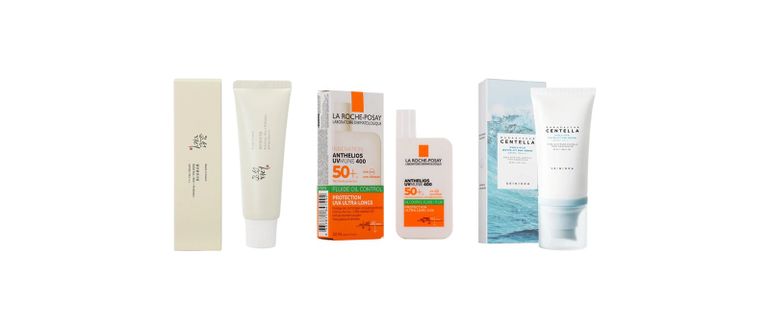
- Protect by day: broad-spectrum sunscreen with SPF 30 or higher every morning, such as the SKIN1004 Madagascar Centella Tone Brightening Sunscreen.
- At night: cleanse and moisturize again, and add a thin layer of balm or Dr. Althea 147 Barrier Cream to the driest areas.
How to choose a skin repair product: checklist
- Identify your skin type first: dry, oily, combination or sensitive.
- Look for ceramides, panthenol (B5), centella or hyaluronic acid in the name or description.
- Match texture to dryness: balm for severe dryness, cream for moderate dryness, gel-cream for oily skin.
- Prefer fragrance-free formulas for irritated skin.
- Introduce one new product at a time and patch test it before using it on your whole face.
- Buy from a trusted seller; every product at Care Outlet is original and comes from the brands' official agents.
Common mistakes that slow skin repair
- Exfoliating anyway: grainy scrubs and strong acids weaken the barrier further, so pause them until skin calms down.
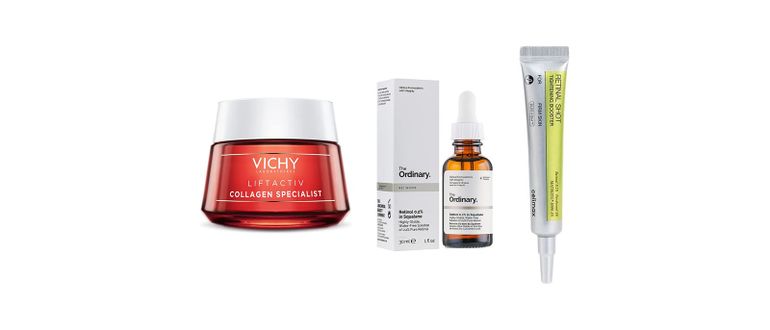
- Starting strong actives while irritated: for example the K-Secret Seoul 1988 Retinal & Black Ginseng Serum from K-Secret. Such products have a place in a routine, but introduce them gradually once your barrier has recovered.
- Layering too many products: every extra product adds a chance of irritation, and one serum is enough.
- Hot water and long washes: hot water strips away your skin's natural oils.
- Skipping sunscreen: sun makes irritation worse, and the AAD notes that irritating products can leave dark spots on darker skin tones.
- Picking at spots: squeezing pimples increases inflammation and can leave marks.
- Expecting results in days: skin needs time, so stick with a simple routine for several weeks.
Frequently asked questions
What is the best cream for skin repair?
The best skin repair cream is the one that matches your skin type. For dry, irritated skin, Cicaplast Baume B5+ or the Mixa Cica Repair+ balm work well. For sensitive or combination skin, Dr. Althea 345 has a light texture, and if you want ceramides, try the SKIN1004 Ceramide cream.
How long does it take to repair the skin barrier?
Tightness and dryness often ease within a few weeks of a gentle routine, but Cleveland Clinic says it typically takes three to four months to start seeing the benefits of your efforts. If nothing improves, or things get worse, see a dermatologist.
Can I use vitamin C or brightening serums while repairing my skin?
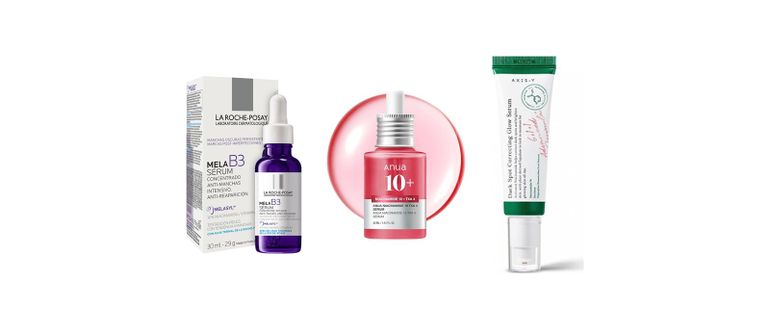
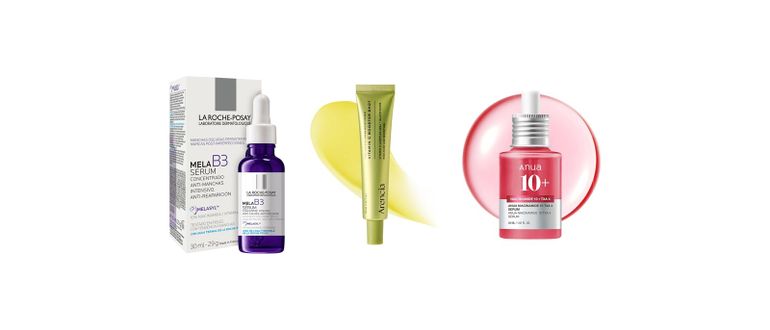
It is better to pause them until your skin settles, then bring them back slowly. After that, you could try a gentle option such as the Axis-Y Dark Spot Lightening Serum, described as suitable for sensitive skin, or La Roche-Posay Mela B3 serum for the look of dark spots. Our face serum guide covers more options.
Is Vaseline good for skin repair?
Petroleum jelly is an occlusive that forms a layer to slow water loss, so it helps lips, heels, hands and cracked patches, and the AAD lists it as an option for dry lips. It is heavy, though, and can worsen breakouts on oily skin, so use a thin layer on dry areas only. The Vaseline Petroleum Jelly 450ml tub suits the whole family.
What is the difference between moisturizing and skin repair?
Moisturizing temporarily adds water to the outer layer, while skin repair targets the barrier itself so it can hold water on its own. That is why repair products usually combine a humectant such as hyaluronic acid, skin-like lipids such as ceramides, and a layer that slows evaporation. Read more in our guide to the best moisturizer for your skin type.
Are cica products suitable for oily skin?
Yes. Many centella products come in light textures that suit oily skin, such as the SKIN1004 Madagascar Centella Ampoule and the Hyalu-Cica cream. Choose a gel or light cream, avoid heavy balms on the whole face, and use a gentle cleanser as explained in our guide to the best face wash for your skin type.
Shop skin repair products
The skin repair section at Care Outlet brings together ceramide creams, repair balms and centella products from trusted brands, online at care-outlet.com or in our branches across Saudi Arabia. To complete your routine, browse skin serums, sunscreens and the wider skin care range, and read our guide to the best sunscreen for every skin type.
Sources
- Cleveland Clinic: How to tell if your skin barrier is damaged and what to do about it
- DermNet: Emollients and moisturisers
- Cleveland Clinic: The correct order for skin care products
- American Academy of Dermatology (AAD): Tips for relieving dry skin
- American Academy of Dermatology (AAD): How to fade dark spots in darker skin tones