
Acne appears when pores become blocked with excess oil and dead skin cells, and bacteria then multiply inside them and trigger inflammation. That is why a routine for acne-prone skin rests on three steady habits: gentle cleansing twice a day, a light moisturizer that will not clog pores, and sunscreen during the day. This guide explains the common causes of breakouts, a simple morning and evening routine, the cosmetic ingredients worth knowing, the mistakes that make spots worse, and when to see a dermatologist.
Quick answer
- Breakouts start when hair follicles in the skin get clogged with oil and dead skin cells, with hormones and bacteria playing a part.
- Wash your face twice a day and after sweating with a gentle cleanser, without harsh scrubbing or rough tools.
- Choose products labelled "non-comedogenic", meaning they are formulated not to clog pores.
- Oily skin still needs moisturizer, because the dryness caused by over-cleansing increases irritation.
- Do not pick or squeeze spots: it makes them last longer and raises the risk of scars and dark marks.
- If you have many spots, deep painful ones, or no improvement with home care, see a dermatologist.
What causes acne?
The direct cause of acne is hair follicles becoming blocked with excess oil and dead skin cells, as the NHS explains. Once a follicle is blocked, bacteria can grow inside it, leading to redness, swelling and pus. Several factors feed into this process:
Excess oil (sebum)
Sebum is the oily substance your sebaceous glands produce to protect the skin. When there is too much of it, it mixes with dead skin cells and plugs the pores, producing blackheads and whiteheads first and then inflamed spots.
Hormones
Cleveland Clinic describes acne as largely a hormonal condition driven by androgen hormones, which stimulate the oil glands. That is why it is so common in the teenage years, and why some women notice more breakouts before their period or during pregnancy.
Friction and heavy products
Tight clothing, headwear and sports helmets can contribute to spots where they press on the skin, as can heavy, greasy products on the face and hair. The American Academy of Dermatology notes that oil from your hair can cause breakouts on the forehead, so washing oily hair regularly and keeping it off your face helps.
What is the right routine for oily, acne-prone skin?
The right routine is simple and consistent: a gentle cleanser, a light moisturizer and sunscreen in the morning, with a more thorough cleanse at night to remove makeup and sunscreen. Keeping it simple is deliberate, since piling on products and switching them constantly stresses the skin.
Morning routine
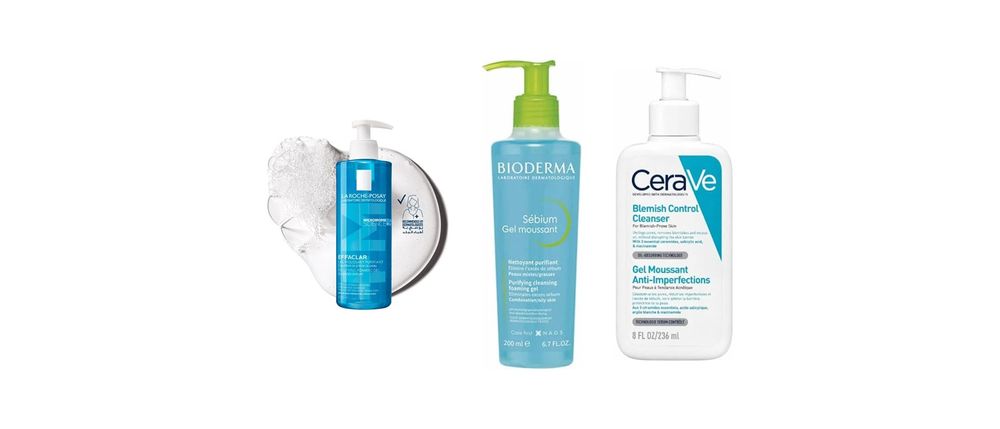
- Cleanser: use a gentle foaming cleanser for oily skin such as Bioderma Sébium Foaming Gel Cleanser 200ml from Bioderma, which is described as removing impurities and excess oil without drying the skin.
- Moisturizer: pick a light texture made for oily skin, such as Bioderma Sebium Hydra Moisturizing Cream 40ml.
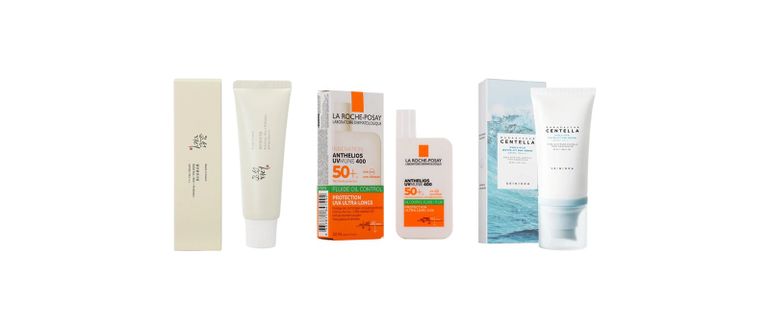
- Sunscreen: choose a lightweight broad-spectrum formula from our sunscreens section; our guide to the best sunscreen for each skin type covers how to choose.
Evening routine
- Remove makeup and sunscreen: never sleep in makeup. If you wear heavy makeup, start with a suitable remover — our makeup remover guide compares the options.
- Cleanser: try La Roche-Posay Effaclar Purifying Cleansing Gel 400ml from La Roche-Posay, which is described as free from soap, alcohol, dyes and parabens and suitable for oily and sensitive skin.
- Targeted care: for example La Roche-Posay Effaclar Duo+M 40ml with a 50ml Cleansing Gel, a daily cream designed for oily, blemish-prone skin and built around LHA technology, according to its description.
- Moisturizer: a thin layer to keep skin comfortable, especially if your targeted products are drying.
Which cosmetic ingredients are common in products for acne-prone skin?
The best-known ingredients in skincare for acne-prone skin are salicylic acid, zinc, niacinamide, ceramides and centella extract, and each does a different job.
- Salicylic acid: a beta hydroxy acid (BHA) that dissolves in oil, so it helps exfoliate the skin surface and clear pores. You will find it in CeraVe Salicylic Acid Face Cleanser & Exfoliator for Blemish Control 236ml from CeraVe.
- Zinc: used in products for oily skin to help purify it, and paired with copper in Vichy Normaderm Phytosolution Deep Cleansing Gel 200ml from Vichy, made for oily and blemish-prone skin.
- Ceramides and hyaluronic acid: ceramides are natural lipids that keep the skin barrier intact, and hyaluronic acid draws in water. Both feature in CeraVe Foaming Facial Cleanser for Normal to Oily Skin 236ml.
- Centella asiatica extract: a plant extract used to calm irritated skin, and the hero ingredient of SKIN1004 Centella Foaming Ampoule Gentle Soothing Cleanser 125ml from SKIN1004.
- Niacinamide: a form of vitamin B3 common in serums aimed at oily skin and visible pores. See the options in our face serum guide.
Introduce one active product at a time and give it a fair trial. The American Academy of Dermatology advises against switching products constantly, as results can take weeks.
How do you choose a cleanser for acne?
The right cleanser for acne removes excess oil without leaving your skin tight or dry, and suits how sensitive your skin is. The American Academy of Dermatology (AAD) recommends washing gently up to twice a day and after sweating, applying cleanser with your fingertips, and choosing gentle, alcohol-free products.
- For very oily skin: a foaming gel such as Bioderma Sébium or Avène Cleanance Cleansing Gel for Face and Body 400ml from Avène, which is made for oily and acne-prone skin and described as helping to reduce excess oil.
- For spots and shine control: Neutrogena Spot Controlling Facial Wash 200ml from Neutrogena, for a deep cleanse that helps control excess oil.
- For oily but sensitive skin: a soap-free cleanser without strong fragrance such as La Roche-Posay Effaclar, or a soothing centella cleanser.
For a full comparison across skin types, read the best face wash for your skin type or browse our face cleanser section.
Does oily, acne-prone skin need a moisturizer?
Yes. Frequent cleansing and drying products can weaken the skin barrier and leave it more irritated and red, so oily skin still needs moisture. The key is a light, non-pore-clogging formula. One option is Avène Cleanance Hydra Soothing Cream 40ml, designed to comfort and hydrate oily, acne-prone skin, especially while using drying products. Find more in our face moisturizing section and our guide to the best moisturizer for each skin type.
What about back and body breakouts?
Spots on the back and chest form the same way, and tight clothes and sweat trapped under fabric make them worse — a real issue in the Saudi heat. Shower straight after exercise or sweating and wear loose cotton clothing. A dedicated body product can help, such as SOME BY MI Exfoliating Acids Body Wash 400g from SOME BY MI, or Medicube Exfoliating Body Spray 110g from Medicube, described as helping to unclog pores and improve skin texture. Avène Cleanance also works on both face and body.
Comparison table: selected products for acne-prone skin
| Product | Brand | Best for | Key feature |
|---|---|---|---|
| Bioderma Sébium Foaming Gel 200ml | Bioderma | Oily skin | Removes impurities and excess oil without drying |
| La Roche-Posay Effaclar Purifying Gel 400ml | La Roche-Posay | Oily and sensitive skin | Free from soap, alcohol, dyes and parabens |
| CeraVe Foaming Cleanser 236ml | CeraVe | Normal to oily skin | Ceramides and hyaluronic acid |
| CeraVe Salicylic Acid Cleanser 236ml | CeraVe | Blemishes and clogged pores | Cleanser and exfoliator with salicylic acid |
| Vichy Normaderm Phytosolution Gel 200ml | Vichy | Oily, blemish-prone skin | Deep cleansing with zinc and copper |
| Avène Cleanance Cleansing Gel 400ml | Avène | Oily face and body | Cleanses and helps reduce excess oil |
| La Roche-Posay Effaclar Duo+M 40ml | La Roche-Posay | Oily, blemish-prone skin | Daily cream with LHA plus a 50ml cleanser |
| Avène Cleanance Hydra Cream 40ml | Avène | Skin irritated by drying products | Soothing hydration |
| Bioderma Sebium Hydra Cream 40ml | Bioderma | Oily skin that needs moisture | Moisturizer from the Sébium line |
| SOME BY MI Spot Patches, 18 pcs | SOME BY MI | Single spots | Covers the spot so you leave it alone |
How to build your routine step by step
- Identify your skin type: oily all over, combination, or oily and sensitive.
- Start with only a suitable cleanser, a light moisturizer and sunscreen for two weeks.
- Add one spot-focused product, such as a salicylic acid cleanser, using it in the evening at first.
- Patch test every new product on a small area before using it on your whole face.
- Put patches like SOME BY MI pimple patches on single spots so you do not touch them.
- Track results over several weeks before changing anything.
Common mistakes that make breakouts worse
- Squeezing spots: the NHS warns that picking or squeezing spots can cause scarring.
- Harsh scrubbing: washcloths, sponges and rough scrubs irritate the skin without cleaning it any better.
- Over-washing: washing more than twice a day without sweating dries the skin and adds irritation.
- Skipping moisturizer: fear of oil leads many people to drop moisturizer, leaving skin dry and irritated.
- Skipping sunscreen: sun exposure can deepen the dark marks spots leave behind.
- Trying many products at once: you cannot tell which one helped and which one hurt.
- Sleeping in makeup: leftover makeup and sunscreen add to clogged pores. To cover spots during the day, see our concealer guide.
When should you see a dermatologist?
See a dermatologist if you have many spots, deep or painful ones, scarring, or no improvement despite consistent home care. The same applies if you notice signs of infection such as hot, swollen skin, or if acne is affecting your mood. A doctor decides the right treatment for your case; cosmetic skincare is there to keep your skin clean and comfortable.
Frequently asked questions
What is the best face wash for acne?
The best face wash is the one that suits your skin type. For oily skin, a foaming gel such as Bioderma Sébium or Avène Cleanance; for oily but sensitive skin, a soap-free cleanser like La Roche-Posay Effaclar. If clogged pores are your main issue, a salicylic acid cleanser helps exfoliate them gently. Use it twice a day, no more.
What is a good routine for oily, acne-prone skin?
Morning: gentle cleanser, light moisturizer, then sunscreen. Evening: remove makeup and sunscreen, cleanse, apply a spot-focused product if needed, then moisturize. Stick with the routine for several weeks and introduce new products one at a time so you can see how each one affects your skin.
Does food cause acne?
The link between food and acne is not the same for everyone; the core drivers are excess oil, clogged pores and hormones. If you notice a particular food seems linked to your breakouts, discuss it with your doctor rather than following a strict diet on your own, and focus on a balanced diet overall.
Can I wear makeup on acne-prone skin?
Yes, as long as you choose products labelled non-comedogenic, remove all makeup before bed, and clean your brushes and sponges regularly. Avoid heavy, greasy creams in favor of lighter textures, and do not share makeup tools with others, since that spreads oil and bacteria from one face to another.
Do pimple patches work?
Pimple patches cover a single spot and protect it from touching and squeezing, which on its own helps you avoid more inflammation and marks. They suit individual surface spots; deep, painful or widespread breakouts need assessment by a dermatologist rather than patches alone.
How long does a skincare routine take to show results?
Skin usually needs several weeks to show the effect of a new routine, which is why the American Academy of Dermatology advises patience rather than switching products every few days. If you see no improvement after a reasonable period of consistent use, or your breakouts get worse, see a dermatologist.
The bottom line
Caring for acne-prone skin does not take lots of products; it takes a gentle, consistent routine and patience. You will find everything you need in the acne care section and the wider skin care section at Care Outlet, where all products are original and sourced from the brands' official agents, online and in our branches across Saudi Arabia.