
Good oral care comes down to a fluoride toothpaste, a soft manual or electric toothbrush, and brushing twice a day for about two minutes each time. A mouthwash can be a useful extra for some people, but it does not replace brushing and should not be used straight after it. This guide explains how to choose toothpaste for sensitivity and whitening, the right brush and a mouthwash, with picks from Sensodyne, Listerine and Oral-B.
Quick answer
- Fluoride is the key toothpaste ingredient, and adults should use a toothpaste with at least 1,350 parts per million (ppm) fluoride.
- Brush twice a day for about two minutes, once at bedtime, then spit out the excess without rinsing.
- Manual and electric brushes clean equally well when you reach every surface; choose soft bristles and replace the brush every 3 to 4 months.
- Whitening toothpaste removes more surface stains than regular toothpaste but does not change your natural tooth color; true whitening is done by a dentist.
- Mouthwash does not replace brushing and flossing, is not recommended for children under 6, and is best used at a different time from brushing.
How do you choose the right toothpaste?
Choose a fluoride toothpaste first, then pick a type for your need: sensitivity, gums, stains or freshness. The American Dental Association’s MouthHealthy site explains that fluoride helps strengthen enamel, the hard outer layer of the tooth, and fight decay, and that not all toothpastes contain it.
How much fluoride should it contain?
According to the NHS, adults should use toothpaste with at least 1,350ppm fluoride, and family toothpaste with 1,350 to 1,500ppm suits all ages. Children aged 3 and under without tooth decay can use a children’s toothpaste with at least 1,000ppm. Check the number on the tube.
Toothpaste for sensitive teeth
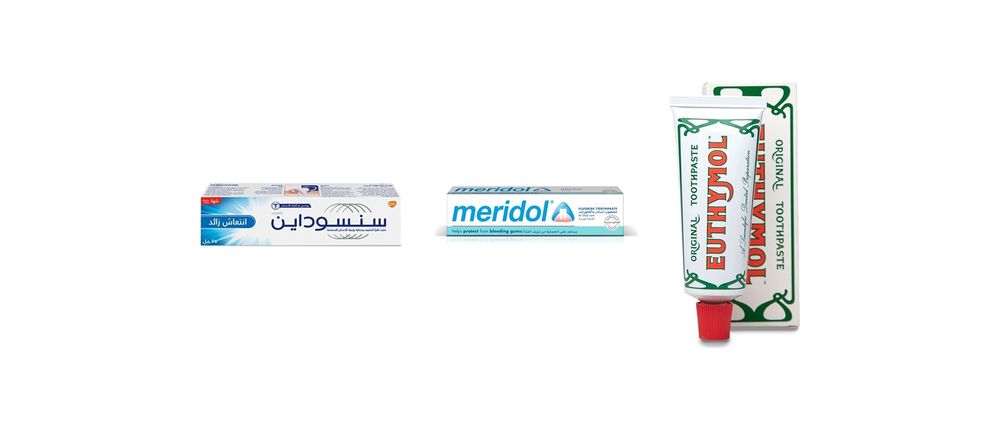
If cold or sweet things make your teeth twinge, use a toothpaste for sensitive teeth; MouthHealthy notes these contain compounds that help reduce sensitivity. Examples: Sensodyne Extra Fresh Toothpaste 75ml, which contains fluoride and builds sensitivity protection with twice-daily brushing according to its description, and Sensodyne Complete Protection Whitening 75ml for sensitive teeth plus daily whitening. If sensitivity starts suddenly or comes with ongoing pain, see a dentist.
Toothpaste for sensitive gums
For sensitive gums, try Meridol Sensitive Gum Fluoride Toothpaste 75ml from Meridol, described as helping protect and soothe gums with gentle cleaning. Gums that bleed regularly when you brush are a reason to see a dentist.
Fresh-breath and flavor toothpastes
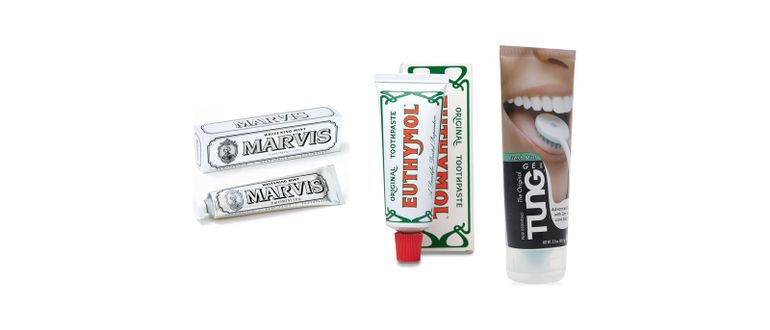
Some people choose by flavor and freshness, such as Euthymol Original Toothpaste 75ml from Euthymol, described as giving a deep clean and long-lasting fresh breath, Marvis Cinnamon Mint 85ml, and the travel-size Marvis Classic Strong Mint 25ml. Either way, check the label for fluoride.
Does whitening toothpaste really whiten teeth?
Whitening toothpaste removes more surface stains than regular toothpaste, but it does not change your natural tooth color. MouthHealthy explains that whitening toothpastes have special chemical or polishing agents that help remove surface stains, such as those from tea, coffee or smoking. Examples:
- Crest 3D White Brilliance 75ml and Crest 3D White Deluxe Vitalizing Fresh from Crest.
- Marvis Whitening Mint 85ml from Marvis, and Marvis Smokers Whitening Mint 85ml, described as fighting stains from tea, coffee and smoking.
- BlanX Intense Stain Remover 75ml from BlanX.
- For sensitive teeth: Sensodyne Repair & Protect Whitening and Sensodyne Multi Care + Whitening, which combine sensitivity care with stain removal.
When do you need a dentist for whitening?
Changing your natural tooth shade, rather than removing stains, is true whitening. The NHS page on teeth whitening says it should be done by a dentist, that it does not lighten crowns or dentures, and that it can make teeth sensitive to cold or sweet food and drink. Browse teeth whitening for everyday stain care, and ask your dentist before anything stronger.
Manual or electric toothbrush?
Manual and electric brushes clean equally well if you reach every surface, according to the NHS, though some people find an electric brush easier to use thoroughly. The MouthHealthy toothbrush page recommends soft bristles for both, since firm or medium bristles may damage gums and enamel, and replacing the brush every 3 to 4 months or sooner if the bristles fray.
- Oral-B Vitality CrossAction Rechargeable Toothbrush: an electric brush with a built-in two-minute timer.
- Sensodyne Soft Toothbrush Twin Pack and Sensodyne R&B Soft: soft manual brushes designed for sensitive teeth.
- Beauty System 5-in-1 Mini Travel Toothbrush, 10 pieces: a brush with built-in paste and floss for travel or work.
Cleaning between your teeth
A brush does not reach well between teeth. The NHS says regular flossing may reduce gum disease, tooth decay and bad breath, that interdental brushes are a good alternative, especially with gaps between teeth, and that wooden toothpicks are best avoided. One option is the Dr. Oral Portable Oral Irrigator from Dr. Oral, which uses a water jet to remove food debris from hard-to-reach places. See more in teeth cleaning.
Do you need mouthwash, and when should you use it?
Mouthwash is not essential for everyone and does not replace brushing and flossing, but it can be a useful extra. The MouthHealthy mouthwash page distinguishes cosmetic rinses, which only control bad breath temporarily, from therapeutic rinses, whose active ingredients can help reduce plaque, gingivitis and cavities; fluoride rinses are one example.
When to use mouthwash
- Not straight after brushing, or it washes away the toothpaste’s fluoride; use it at another time, such as after lunch, as the NHS advises.
- After a fluoride mouthwash, do not eat or drink for 30 minutes.
- Mouthwash is not recommended for children under 6, who may swallow it.
Mouthwash options
Without the burn: Listerine Total Care Alcohol-Free Soft Mint 500ml and Colgate Triple Action Alcohol-Free 500ml from Colgate. With fluoride: Listerine Daily Fluoride Mouthwash for Gums 500ml, with a milder taste, and Listerine Teeth Whitening Fluoride Mouthwash 500ml. For sensitive teeth: Sensodyne Extra Fresh Mouthwash 500ml.
How do you get rid of bad breath?
Start with the basics: brush twice a day, clean between your teeth, and clean your tongue, where odor-causing debris builds up. Then add what suits you:
- Tung Tongue Cleaning Gel with Zinc and Mint 85g with the Tung Original Tongue Brush from Tung.
- TheraBreath Bad Breath Mouthwash 16oz and TheraBreath Fresh Icy Mint Mouthwash 473ml from TheraBreath.
- Breath fresheners for a quick refresh on the go.
If bad breath persists despite good care, see a dentist. For all-day freshness, see our deodorant guide too.
Comparison of the best oral care products available
| Product | Brand | Best for | Key feature |
|---|---|---|---|
| Sensodyne Extra Fresh 75ml | Sensodyne | Sensitive teeth | Fluoride, sensitivity protection |
| Sensodyne Repair & Protect Whitening | Sensodyne | Sensitivity plus stains | Gentle whitening |
| Meridol Sensitive Gum 75ml | Meridol | Sensitive gums | Fluoride, gentle cleaning |
| Euthymol Original 75ml | Euthymol | Strong freshness | Deep clean, fresh breath |
| Marvis Whitening Mint 85ml | Marvis | Surface stains | Whitening mint paste |
| Crest 3D White Brilliance | Crest | Surface stains | Whitening toothpaste |
| Oral-B Vitality CrossAction | Oral-B | Electric brush fans | Rechargeable, 2-minute timer |
| Sensodyne Soft Toothbrush 1+1 | Sensodyne | Sensitive teeth and gums | Soft bristles |
| Listerine Total Care Alcohol-Free | Listerine | Avoiding alcohol | Soft mint, no burn |
| Listerine Daily Fluoride Mouthwash | Listerine | Extra fluoride | Milder taste |
A practical daily oral care checklist
- Brush twice a day: at bedtime and once more, for about two minutes.
- Use fluoride toothpaste: at least 1,350ppm for adults.
- Spit, don’t rinse: rinsing dilutes the fluoride.
- Clean between teeth: floss, interdental brushes or a water flosser.
- Clean your tongue: with a tongue brush or scraper.
- Use mouthwash if needed: at a different time from brushing.
- Replace your brush every 3 to 4 months, and buy from a trusted source: all Care Outlet products are original and come from the brands’ official agents inside and outside Saudi Arabia, as explained in our article on Care Outlet product authenticity.
Common mistakes
- Rinsing with water after brushing: reduces the fluoride benefit.
- Using a hard brush or pressing hard: may damage gums and enamel.
- Using mouthwash instead of brushing: it is an extra, not a substitute.
- Expecting whitening toothpaste to change your shade: it removes surface stains only.
- Keeping the same brush for months: frayed bristles clean poorly.
- Ignoring bleeding gums or sudden sensitivity: see a dentist.
Frequently asked questions
What is the best toothpaste?
The best toothpaste contains at least 1,350ppm fluoride for adults and suits your needs. For sensitive teeth, choose one like Sensodyne Extra Fresh; for sensitive gums, Meridol; for surface stains, a whitening paste such as Marvis or Crest 3D White. Always check the fluoride level on the tube.
What is the best toothpaste for sensitive teeth?
Choose a fluoride toothpaste made for sensitive teeth, such as Sensodyne Extra Fresh or Sensodyne Repair & Protect, and use it twice a day with a soft brush and gentle brushing. If sensitivity is sudden, severe or comes with ongoing pain, see a dentist to find the cause.
Is whitening toothpaste bad for your teeth?
Whitening toothpastes use polishing or chemical agents to remove surface stains and suit many people. If your teeth are sensitive, choose a whitening paste designed for sensitive teeth, such as Sensodyne Complete Protection Whitening, and avoid pressing hard when brushing. See a dentist if sensitivity increases.
When should I use mouthwash?
Use it at a different time from brushing, such as after lunch, because using it straight after brushing can wash away the toothpaste’s fluoride. After a fluoride mouthwash, avoid eating or drinking for 30 minutes. Mouthwash is not recommended for children under 6.
Is an electric toothbrush better than a manual one?
Both clean well if you reach every surface for two minutes and use fluoride toothpaste. An electric brush such as the Oral-B Vitality CrossAction may be easier for some people, and its timer helps you brush for long enough. A soft manual brush such as Sensodyne is a good, economical choice.
How often should I replace my toothbrush?
Replace your toothbrush every 3 to 4 months, or sooner if the bristles fray, because worn bristles do not clean well. The same applies to electric brush heads. Store your brush upright to air-dry, and do not share it with anyone.
Where to buy original oral care products
The oral and dental care section at Care Outlet has everything from toothpaste and toothbrushes to mouthwash, from Sensodyne, Listerine, Marvis, Crest, Oral-B and more, online or at our branches across Saudi Arabia.