
Safe intimate area brightening rests on three things: reducing friction, shaving irritation and tight clothing; using a cosmetic cream made for sensitive areas after a patch test; and patience, because improvement takes months. Avoid creams of unknown origin, and see a doctor if darkening appears suddenly. Options below come from Bioderma, Beesline and Eucerin.
Quick answer
- Darker underarms, bikini line and inner thighs are common, most often from friction and irritation after hair removal.
- Cosmetic brightening creams even out tone gradually over months; they do not change your natural skin color.
- A patch test is essential, because skin in these areas is thin and easily irritated.
- Unlabeled creams of unknown origin may contain mercury, a dangerous substance banned in many countries.
- Sudden darkening, or skin that becomes thick and velvety, calls for a dermatologist, not a cream.
Why are intimate areas darker than the rest of the body?
These areas are naturally a little darker for many people, and repeated irritation deepens the color, known as post-inflammatory hyperpigmentation. The American Academy of Dermatology (AAD) notes that dark spots can follow healing wounds or clearing pimples, irritating skin care products, or hormonal changes such as pregnancy. The most common triggers:
- Friction: between the thighs or from tight clothes and synthetic fabrics.
- Hair removal: frequent shaving with a dull blade, or waxing irritated skin.
- Irritating products: harsh soaps or fragrance on thin skin.
- Sweat and moisture: which add to friction in skin folds.
When is intimate area darkening a reason to see a doctor?
See a doctor if darkening appears suddenly, if the skin becomes thicker and velvety, or if it comes with itching, odor or skin tags. These are features of acanthosis nigricans, which turns skin brown or black, thicker and velvety, most often in the armpits, back of the neck and groin. According to the AAD, it usually develops slowly, but sudden onset calls for an immediate dermatologist appointment because it can be a warning sign of an internal disease. The AAD's overview of the condition adds that it can be a sign of prediabetes.
Which cosmetic ingredients are common in intimate brightening creams?
Ingredients the AAD lists for fading dark spots include kojic acid, vitamin C and glycolic acid. Niacinamide, a form of vitamin B3, is also common in these products.
- ACM Depiwhite Advanced Cream 40ml from ACM: contains vitamin B, kojic acid, vitamin C and plant extracts according to its description, and helps even out tone on face and body.
- Beesline Underarm Whitening Serum, Fragrance Free 150ml: boldo bark and vitamin C to even tone and reduce the look of dark spots, with soothing aloe vera after shaving and alum against sweat.
- Vaseline Healthy Bright Niacinamide Body Oil Gel 200ml: deeply moisturizes for a healthy glow.
Actives can irritate thin skin, and irritation deepens darkening, so never skip the patch test.
What is the best intimate area brightening cream?
Choose a cosmetic product made for sensitive areas, gentle and low-fragrance or fragrance-free, from a known brand:
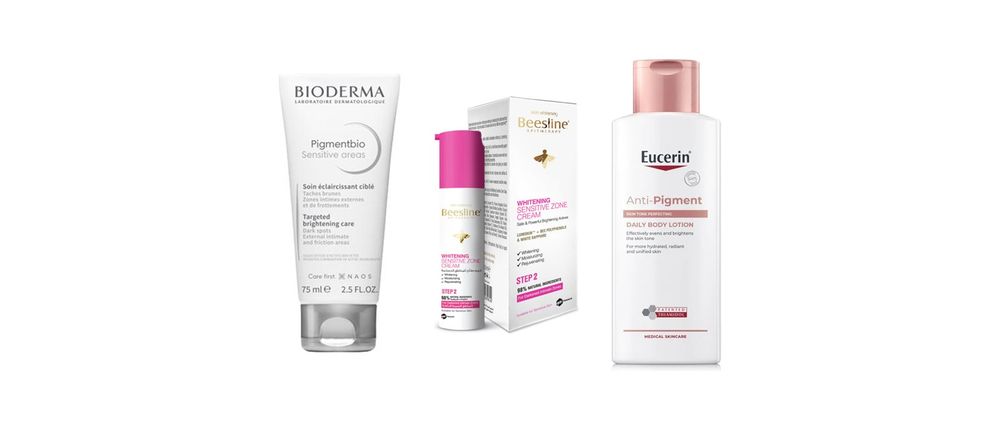
- Bioderma Pigmentbio Sensitive Areas Lightening Cream 75ml: designed for darkening of sensitive areas caused by friction, waxing and clothing; helps brighten and even out tone, fragrance-free.
- Beesline Intimate Lightening Cream 50ml: natural antioxidant actives that refresh and moisturize the underarms, bikini line and sensitive areas.
- Eucerin Even Pigment Perfector Body Lotion 250ml: helps reduce the look of pigmentation and even tone with lasting hydration, good for larger areas like the thighs and elbows.
- Beesline Sensitive Area Lightening Soap 110g: a moisturizing plant-based soap with honey and propolis that cleanses gently.
For the underarms
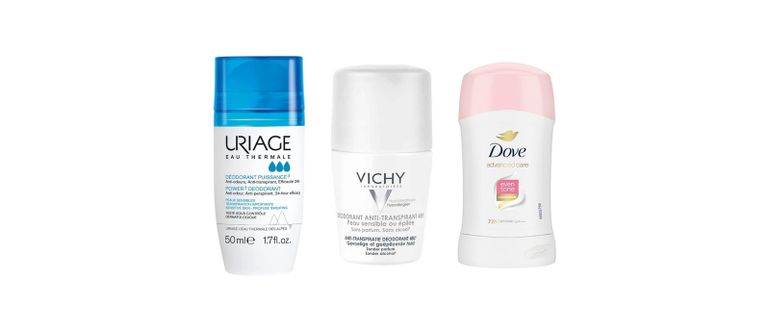
Some products combine antiperspirant with care for underarm tone, such as the Beesline Radiant Bright Underarm Serum 150ml, which helps even underarm tone, acts as a 48-hour antiperspirant and reduces the need to shave according to its description, and the Beesline Radiant Bright Instant Bright 150ml with a rose scent. For deodorants in general, see our deodorant guide, and browse body brightening.
How do you use a brightening cream safely?
Follow these steps:
- Patch test: apply a little to a small area once a day for several days; stop if redness, burning or itching appears.
- External skin only: never apply brightening products to mucous membranes or inside the intimate area.
- Clean, dry, intact skin: not on cuts, inflammation or freshly shaved skin.
- Thin layer: more product means more irritation, not faster results.
- Follow the label: for how often and how long to use it.
- Be patient: the AAD notes that a spot a few shades darker than your skin usually fades within 6 to 12 months once its cause is stopped.
If your skin becomes irritated, stop immediately, and see a doctor or pharmacist if it continues.
Why should you avoid brightening creams of unknown origin?
Because some contain dangerous ingredients, mercury above all. The U.S. FDA warns about skin lightening creams, soaps and lotions containing mercury, often made outside regulation and promoted on social media, and advises never using a product without a label and stopping at once if the ingredients list "mercurous chloride," "calomel," "mercuric," "mercurio" or "mercury." The World Health Organization (WHO) calls skin bleaching a dangerous practice often linked to mercury salts, and notes these products are banned in many countries yet may still be advertised and sold.
- Avoid unlabeled mixes and anything promising results within days; check for the company name, ingredients and expiry date.
- Buy from a trusted source: all Care Outlet products are original and come from the brands' official agents inside and outside Saudi Arabia; see Are Care Outlet products original?
How can you reduce the friction and irritation that cause darkening?
Gentle hair removal
- Use a sharp, clean razor with gel or foam, such as the Gillette Venus ComfortGlide Breeze Women's Razor from Gillette, a three-blade razor with moisture strips designed to reduce irritation according to its description.
- If you prefer wax, choose one for sensitive skin such as Veet Wax Strips for Sensitive Skin, 20 Strips from Veet, or Veet Hair Removal Cream for Sensitive Skin 100ml, patch-testing the cream first.
- Do not apply brightening cream right after hair removal; wait until the skin settles. Find tools in shaving and hair removal.
Gentle hygiene and comfortable clothing
- Use a wash made for the external intimate area instead of regular soap, such as the Uriage Gyn-8 Intimate Wash 100ml, which cleanses gently without drying, or the Femfresh Ultimate Care Soothing Wash 250ml from Femfresh.
- Wear loose cotton underwear and change pads regularly during your period; our sanitary pads guide covers choosing them, including the Kotex Maxi Cotton Super Pads, 44 Pads made from natural cotton.
- Moisturize the inner thighs to reduce friction, for example with the Vaseline Radiant Body Butter for Dry Skin 325ml or options from body moisturizing.
- Never scrub the area with a loofah or harsh scrub; aggressive exfoliation can increase pigmentation, as our body wash and scrub guide explains.
Comparison of intimate area brightening products
| Product | Brand | Best for | Key feature |
|---|---|---|---|
| Bioderma Pigmentbio Sensitive Areas | Bioderma | Sensitive areas | Made for friction darkening, fragrance-free |
| Beesline Intimate Lightening Cream | Beesline | Underarms, bikini line | Natural antioxidant actives |
| Eucerin Even Pigment Perfector Body Lotion | Eucerin | Thighs, larger areas | Evens tone with hydration |
| ACM Depiwhite Advanced | ACM | Face and body spots | Kojic acid and vitamin C |
| Beesline Fragrance-Free Underarm Serum | Beesline | Sensitive underarms | Vitamin C with aloe vera |
| Beesline Radiant Bright Underarm Serum | Beesline | Underarms | Brightening plus 48h antiperspirant |
| Beesline Sensitive Area Lightening Soap | Beesline | Daily cleansing of external skin | Honey and propolis |
| Uriage Gyn-8 Intimate Wash | Uriage | External intimate area | Gentle, non-drying |
How to choose an intimate brightening product: a checklist
- Rule out a medical cause: if darkening is sudden or the skin is thick and velvety, start with a doctor.
- Choose a dedicated product: labeled for sensitive areas, underarms or body.
- Read the label: company name, ingredients and expiry date; skip unlabeled products.
- Prefer gentle formulas and patch test: always, before regular use.
- Tackle friction: with comfortable clothing and gentle hair removal.
Common mistakes
- Buying unknown creams that promise fast results: they may contain mercury.
- Home mixes and lemon: can irritate thin skin and deepen darkening.
- Rubbing and harsh scrubbing: increase irritation and pigmentation.
- Giving up after two weeks: improvement takes months.
Frequently asked questions
Is intimate area brightening cream safe?
A cosmetic cream made for sensitive areas, from a known brand and a trusted seller, is generally safe when used on external skin as the label directs and after a patch test. Unlabeled creams of unknown origin may contain dangerous substances such as mercury, so avoid them. Stop using any product that causes redness or burning.
What is the best cream for intimate area brightening?
Choose a product made for these areas and gentle on them, such as the fragrance-free Bioderma Pigmentbio Sensitive Areas cream or the Beesline Intimate Lightening Cream. For underarms, the fragrance-free Beesline serum suits well; for larger areas like the thighs, the Eucerin body lotion. Always start with a patch test.
How long does an intimate brightening cream take to work?
Improvement is gradual. The AAD notes that spots a few shades darker than your skin usually fade within 6 to 12 months once the cause is stopped. Stay consistent, keep friction down, and do not expect change within days; avoid any product that promises it.
What can help very dark intimate areas?
If darkening is severe, sudden, or the skin has become thick and velvety, see a dermatologist first to find the cause, since some cases are linked to internal causes such as prediabetes. Cosmetic products can help even out tone gradually, but they do not replace a diagnosis in these cases.
Can I use lightening soap on the intimate area?
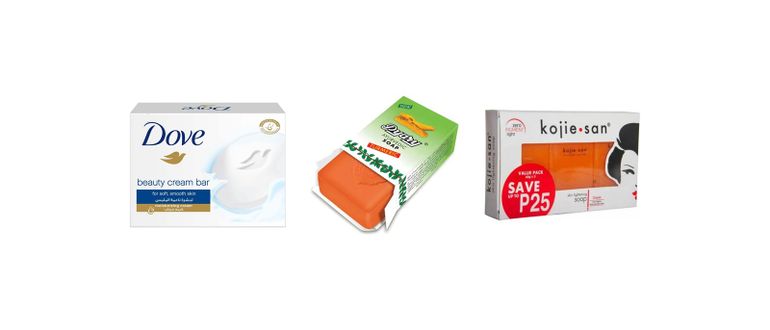
On external skin only, use a soap made for sensitive areas such as the Beesline soap, or a gentle intimate wash. General kojic acid lightening soaps are usually made for face and body, can be strong for this area, and some are not recommended for daily use on dry skin according to their own descriptions.
Does shaving cause dark intimate areas?
Shaving itself does not change skin color, but repeated irritation from a dull blade or shaving without gel can leave darkening over time. Use a sharp, clean razor, shave in the direction of hair growth, moisturize afterward and give the skin time to settle between shaves.
Shop intimate area care
The intimate area care and body brightening sections at Care Outlet bring together Bioderma, Beesline, Eucerin, Uriage, Femfresh and more, online or at our branches across Saudi Arabia.
Sources
- American Academy of Dermatology (AAD): How to Fade Dark Spots
- American Academy of Dermatology (AAD): Acanthosis Nigricans Signs and Symptoms
- American Academy of Dermatology (AAD): Acanthosis Nigricans Overview
- U.S. FDA: Mercury Poisoning Linked to Skin Products
- World Health Organization (WHO): Mercury and Health