
Face brightening and whitening, done safely, means evening out your skin tone, fading the look of dark spots and restoring radiance, not changing your natural skin colour. The approach that works best is daily sunscreen plus one product with a proven ingredient such as vitamin C, niacinamide or kojic acid, and the patience to give it several weeks. This guide explains the main types of brightening products, how to choose the right one for your skin, and what to avoid.
Quick answer
- Dark spots form when the skin makes extra melanin, triggered by sun exposure, acne marks, hormonal changes or irritation.
- Broad-spectrum sunscreen with SPF 30 or higher is the first step of any brightening routine; without it, spots keep coming back.
- The best-known cosmetic ingredients for evening skin tone are vitamin C, niacinamide (vitamin B3), kojic acid, azelaic acid and glycolic acid.
- Results are gradual: a spot a few shades darker than your skin usually takes 6 to 12 months to fade once its cause is stopped.
- Avoid any product with no ingredient list or unknown origin, because some fake whitening products contain mercury or steroids.
What does face brightening and whitening actually mean?
It means reducing the look of hyperpigmentation and evening out your complexion, bringing darker areas closer to your natural skin tone. Hyperpigmentation is a common condition in which some areas look darker than the rest of the skin because of extra melanin. The patches can look brown, grey or reddish.
Modern brightening products are not about "bleaching" in the old sense. They do not change your natural colour; they target spots, dullness and uneven tone. So the right first question is: what is causing my spots? The second is: which product suits that cause and my skin type?
What causes dark spots and uneven skin tone?
The most common causes are sun exposure, marks left after pimples or cuts heal, hormonal changes such as pregnancy, and irritation from an unsuitable product. The American Academy of Dermatology notes that medium and darker skin tones are especially prone to dark spots after any inflammation or irritation.
Sun spots
These usually appear on the cheeks, forehead and backs of the hands, and multiply with repeated unprotected sun exposure.
Acne marks and irritation
Known as post-inflammatory hyperpigmentation, these appear after a pimple or wound clears. Getting breakouts under control first prevents new marks; start with the acne care range.
Melasma and hormonal changes
Melasma shows up as symmetrical brown patches on the face and is linked to hormones and sunlight. If you have large or fast-spreading patches, or patches with other symptoms, see a dermatologist before using any product, as some causes need a medical diagnosis.
What types of face brightening products are there?
Brightening products fall into five main types: cleansers, toners, serums, creams and sunscreens made for spot-prone skin. Each plays a different role in your routine.
Brightening cleansers
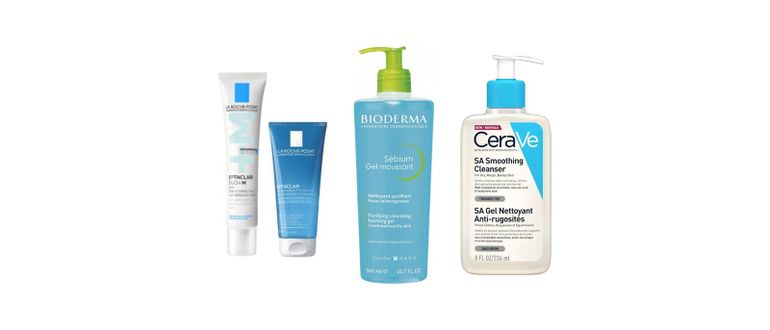
A cleanser stays on the skin for a short time, so its main job is to cleanse and gently remove dead cells. Examples include Bioderma Pigmentbio Foaming Cream 500ml from Bioderma, a brightening cleanser with AHAs that exfoliates gently, Eucerin Even Pigment Perfector Cleansing Gel 200ml from Eucerin, and the Medicube Kojic Acid and Turmeric Cleanser 120g. You will find more options under face cleansers.
Toners and pads
A light step after cleansing that preps the skin for serum. The SKIN1004 Madagascar Centella Hyalu-Cica Brightening Toner 210ml from SKIN1004 combines gentle AHA and LHA acids with centella, while Medicube Vitamin C Brightening Pads (70 pcs) from Medicube offer an easy way to tackle dullness.
Brightening serums
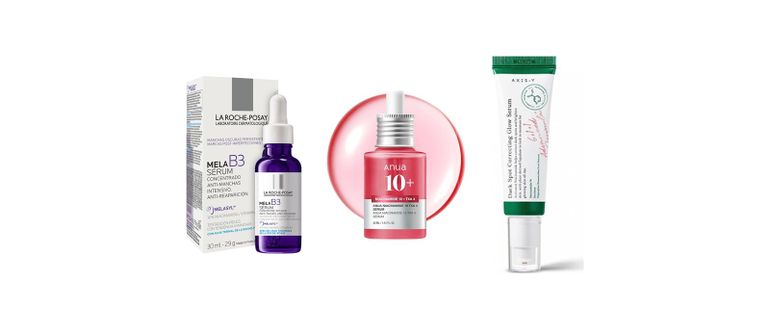
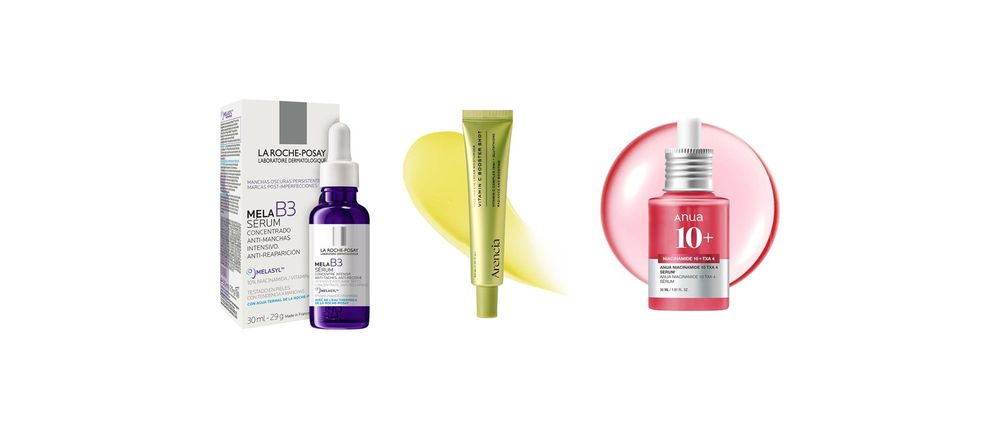
Serum is the most concentrated step, since it stays on the skin and carries a higher level of active ingredients. Standout options are the La Roche-Posay Mela B3 Anti-Dark Spot Serum 30ml from La Roche-Posay, which pairs Melasyl with 10% niacinamide, and the Anua Dark Spot Correcting Serum with 10% Niacinamide and 4% TXA from Anua. For serums in general, read our face serum guide.
Brightening creams
A cream combines hydration with brightening ingredients and suits anyone who prefers a single step. Examples include the Arencia Vitamin C Brightening Cream 30ml from Arencia and the ACM Depiwhite Advanced Depigmenting Cream 40ml from ACM, which contains kojic acid, vitamin C, vitamin B and plant extracts and can be used on face and body.
Sunscreen for spot-prone skin
This is the line of defence that protects everything else. The ACM Depiwhite S SPF 50+ Cream combines high protection with care for the look of dark spots; it is fragrance-free, water-resistant and made for the face, hands and neck. Browse more in sunscreens.
Which ingredients work best for brightening the face?
Cleveland Clinic and the American Academy of Dermatology list vitamin C, niacinamide, kojic acid, azelaic acid and glycolic acid among the ingredients that help fade dark spots. Some of them also slow down melanin production.
- Vitamin C: an antioxidant that boosts radiance and helps reduce the look of dullness. Example: Garnier Vitamin C Rapid Glow Serum 15ml.
- Niacinamide (vitamin B3): relatively gentle and suitable for most skin types. Example: the Axis-Y Dark Spot Lightening Serum 50ml from Axis-Y, with 5% niacinamide and plant-derived squalane, described as suitable for sensitive and acne-prone skin.
- Kojic acid: reduces the amount of melanin the skin produces and is common in soaps and cleansers, such as the Kojie San Kojic Acid Soap (3 × 65g) from Kojie San.
- Tranexamic acid (TXA): used in newer spot serums alongside niacinamide.
- Exfoliating acids (AHAs): such as glycolic and citric acid, which remove dead cells for a brighter look but make skin more sensitive to the sun.
How do you choose the right brightening product for your skin type?
Pick the texture for your skin type and the ingredient for your type of spots, and start with just one product so you can see how your skin responds.
- Oily and acne-prone skin: a lightweight niacinamide serum and a cleanser with mild acids.
- Dry skin: a moisturising vitamin C cream such as Arencia, or a hydrating ampoule like the I'm Sorry For My Skin Honey Serum 30ml, plus a moisturiser from face moisturizing.
- Sensitive skin: fragrance-free formulas with moderate strengths, and never more than one exfoliant at a time.
- Stubborn, older spots: a concentrated product such as the ACM Depiwhite Intensive Serum 30ml or Rilastil D-Clar Concentrate Drops 30ml from Rilastil.
- Dark under-eye circles: a dedicated eye product such as ISIS Pharma Neotone Eyes Dark Circle Cream 15ml from ISIS Pharma, because the skin there is thinner than on the rest of the face.
Comparing the best face brightening products in store
| Product | Brand | Best for | Key feature |
|---|---|---|---|
| Mela B3 Anti-Dark Spot Serum 30ml | La Roche-Posay | Dark and stubborn spots | Melasyl with 10% niacinamide |
| Vitamin C Brightening Cream 30ml | Arencia | Dullness and dry skin | Moisturising vitamin C texture |
| Dark Spot Correcting Serum 30ml | Anua | Uneven tone and acne marks | 10% niacinamide and 4% tranexamic acid |
| Depiwhite Advanced Cream 40ml | ACM | Pigmentation on face and body | Kojic acid, vitamin C and vitamin B |
| Dark Spot Lightening Serum 50ml | Axis-Y | Sensitive and acne-prone skin | 5% niacinamide with squalane |
| Depiwhite S SPF 50+ Cream | ACM | Daytime sun protection | Fragrance-free and water-resistant |
| Pigmentbio Foaming Cream 500ml | Bioderma | Daily cleansing of pigmented skin | Brightening cleanser with AHAs |
| Kojic Acid Soap 3 × 65g | Kojie San | Oily and normal skin | Soap with kojic acid |
| Centella Hyalu-Cica Brightening Toner 210ml | SKIN1004 | Gentle daily exfoliation | AHA and LHA with centella |
| D-Clar Concentrate Drops 30ml | Rilastil | Targeted spots | Concentrated drop formula |
How to use brightening products step by step
- Patch test first: apply a small amount behind the ear or on the side of the neck for two days before using it on your whole face.
- Morning: gentle cleanser, vitamin C or niacinamide serum, moisturiser, then sunscreen with SPF 30 or higher. To pick the right one, see our sunscreen guide by skin type.
- Evening: cleanse thoroughly, apply your concentrated spot product, then moisturise. Use exfoliants only 2 to 3 times a week at first.
- Reapply sunscreen: every two hours when outdoors, and after sweating or swimming.
- Judge results after 8 to 12 weeks: pigmentation fades slowly, and switching products every fortnight only confuses your skin.
How to choose a brightening product: quick checklist
- Identify the cause of your spots: sun, acne marks, melasma or general dullness.
- Read the ingredient list and look for at least one clear active ingredient from the list above.
- Check for an Arabic label, a batch number and a clear expiry date.
- Choose the right texture: gel or watery serum for oily skin, cream for dry skin.
- Buy from a trusted source. Every product at Care Outlet is original and sourced from the brands' official agents inside and outside Saudi Arabia.
- Have your sunscreen ready before you start any brightening product.
Common face brightening mistakes
- Skipping sunscreen: any improvement disappears with the first unprotected day in the sun.
- Layering too many exfoliants: irritation itself causes new dark spots, as the American Academy of Dermatology points out.
- Buying unknown mixtures: the WHO and the US FDA warn about skin-lightening products that contain mercury. If the label lists words such as mercury, mercurous chloride or calomel, stop using the product immediately.
- Using harsh home remedies: such as concentrated lemon juice or household bleach, which irritate the skin and can make spots worse.
- Expecting instant results: safe brightening products work gradually, and very fast promises are a reason to be cautious.
Frequently asked questions
What is the best product for face brightening and whitening?
No single product suits everyone. The best one matches the cause of your spots and your skin type. For visible dark spots, a niacinamide serum such as Mela B3 or the Anua serum works well; for dullness and dryness, a vitamin C cream such as Arencia is a good fit. Either way, pair it with daily broad-spectrum sunscreen.
How long do brightening creams take to work?
A brighter look often appears within a few weeks, but spots take longer. According to the American Academy of Dermatology, a spot a few shades darker than your skin usually fades within 6 to 12 months once its cause is stopped, while deeper discolouration can take considerably longer than that.
Does kojic acid soap lighten the face?
Kojic acid is an ingredient that reduces melanin production, and soaps containing it can help improve the look of your skin tone with regular use. Because soap stays on the skin only briefly, it works best as part of a routine with a serum and sunscreen. If your skin feels dry, use it once a day and follow with a moisturiser.
Can I use vitamin C and niacinamide together?
Yes, most skin types can use both in the same routine. If your skin is sensitive, you can also split them, with vitamin C in the morning and niacinamide in the evening. Start with one product for two weeks, then add the second gradually, and stop any product that causes ongoing burning or redness.
Are brightening products safe during pregnancy?
Hormonal changes in pregnancy can trigger melasma, and the safest step at this stage is daily sunscreen and protective clothing. For products with concentrated active ingredients, ask your doctor or pharmacist before using them while pregnant or breastfeeding, and avoid any product with unknown ingredients completely.
How can I tell if a whitening cream is unsafe?
Be wary of any product without an ingredient list or a clear manufacturer name, one that promises results within days, or one that lists mercury or its compounds on the label. The American Academy of Dermatology also warns that some imported lightening products have contained steroids or mercury that were not listed on the label.
For a more even, radiant complexion, start with the basics: a gentle cleanser, one suitable brightening product and daily sunscreen. Browse the full face brightening and whitening range, then complete your routine with skin serums and the wider skin care collection at Care Outlet, online at care-outlet.com or in our branches across Saudi Arabia.