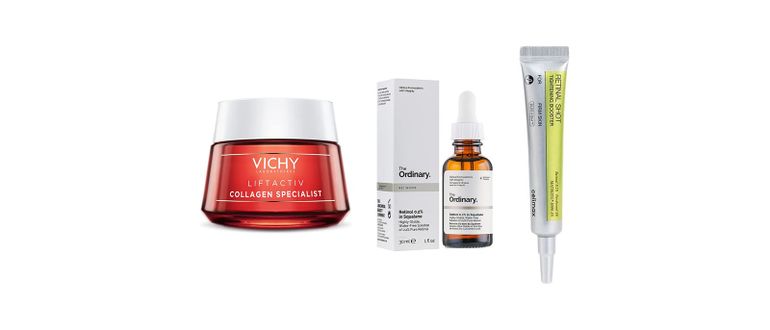

Dark spots and pigmentation are areas of skin that turn darker than the rest of your face because the skin makes extra melanin. The safest way to even out your skin tone is daily sunscreen first, then a cosmetic product with ingredients such as vitamin C, niacinamide, kojic acid or azelaic acid, used patiently for several months. This guide explains what causes pigmentation, how to choose the right face brightening cream or dark spot serum, and the habits that make spots worse.
Quick answer
- Pigmentation is caused by extra melanin in specific areas of the skin, most often from sun exposure, healed pimples and hormonal changes.
- A broad-spectrum sunscreen with SPF 30 or higher is the foundation; without it, no brightening product can show its results.
- Common cosmetic ingredients for evening skin tone include vitamin C, niacinamide, kojic acid, azelaic acid, glycolic acid and alpha arbutin.
- A light spot usually takes 6 to 12 months to fade, while deeper pigmentation can take much longer.
- Avoid brightening products from unknown sources, as some have been found to contain harmful substances that are not on the label.
- If a spot changes shape or color, itches or bleeds, see a dermatologist before using any product on it.
What is hyperpigmentation and why do dark spots appear?
Hyperpigmentation is a common condition in which some areas of skin look darker because skin cells produce too much melanin, the pigment that gives skin its color. According to Cleveland Clinic, these spots can be brown, black or gray, usually do not hurt or itch, and have several causes:
- Sun exposure: these spots are often called sun spots or solar lentigines and tend to appear on the face and the backs of the hands.
- Acne marks and injuries: a dark mark can remain after a pimple clears or a cut or burn heals. This is called post-inflammatory hyperpigmentation (PIH).
- Hormonal changes: such as puberty and pregnancy, including melasma, which usually shows up on the cheeks and forehead.
- Genetics: for example, freckles that run in families.
- Some medications: certain medicines can make skin more sensitive to light or change its color. Never stop a medicine on your own; ask the doctor who prescribed it.
DermNet notes that post-inflammatory pigmentation can affect anyone but is more common in medium and darker skin, where it tends to be more intense and last longer, and that UV exposure makes it darker. That is why preventing breakouts matters too; our routine for acne-prone skin is a good place to start.
Why is sunscreen the most important step against pigmentation?
Sunlight triggers the skin to make more melanin, which darkens existing spots and creates new ones, whatever brightening product you use. The American Academy of Dermatology (AAD) says that effective care for dark spots begins with a sunscreen that offers:
- SPF 30 or higher with broad-spectrum protection against both UVA and UVB.
- Water resistance, and a non-comedogenic formula if your skin is oily.
- Ideally a tint with iron oxide, which helps protect against visible light, another trigger of dark spots.
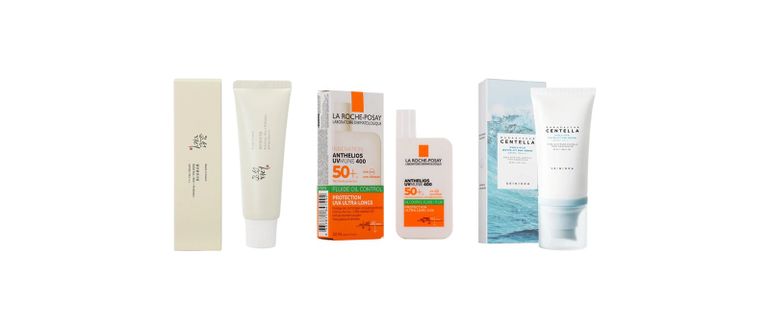
The AAD also recommends reapplying every two hours and after swimming or sweating, wearing a wide-brimmed hat, and avoiding the sun between 10 a.m. and 2 p.m. when you can, which is especially relevant in a Saudi summer. A good option that combines protection with spot care is ACM Depiwhite S Hand and Face Lightening Cream SPF 50+ from ACM Laboratoire, a fluid, fragrance-free, water-resistant sunscreen for the face, hands and neck. Browse more in our sunscreens section and read the guide to the best sunscreen for every skin type.
Which cosmetic ingredients help even out skin tone?
The best-known cosmetic ingredients for uneven skin tone are vitamin C, niacinamide, kojic acid, azelaic acid, glycolic acid and alpha arbutin; Cleveland Clinic and DermNet both list them among topical options. No single ingredient suits everyone, so choose based on your skin type and how well it tolerates actives.
Niacinamide (vitamin B3)
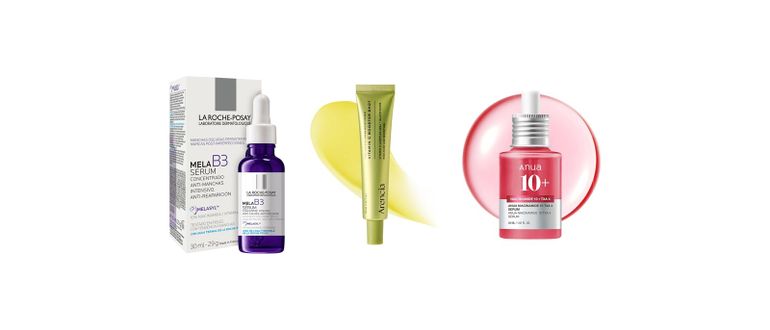
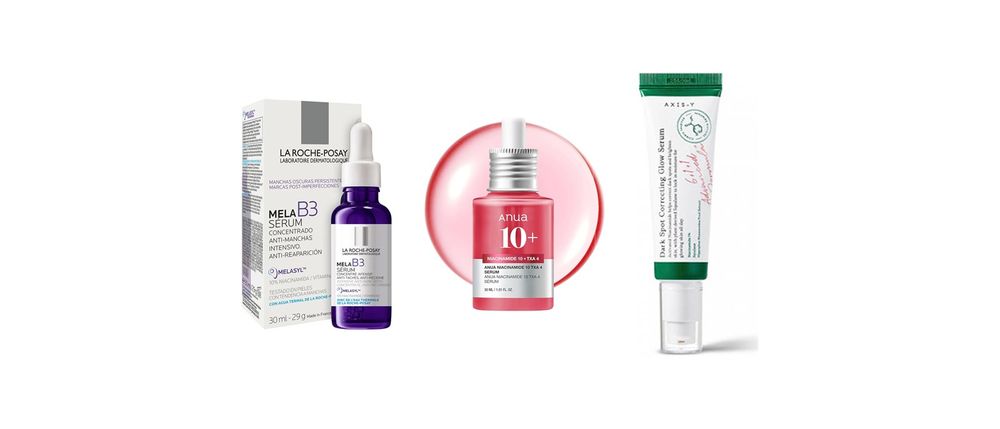
A relatively gentle ingredient that suits most skin types and helps improve the look of uneven tone. Examples include La Roche-Posay Mela B3 Intense Anti-Dark Spot Serum 30ml from La Roche-Posay, which according to its description combines Melasyl with 10% niacinamide, and Axis-Y Dark Spot Lightening Serum 50ml from Axis-Y, with 5% niacinamide and squalane, described as suitable for sensitive and acne-prone skin.
Tranexamic acid (TXA)
An ingredient used in tone-evening skincare, often paired with niacinamide, as in Anua Dark Spot Correcting Serum with 10% Niacinamide and 4% TXA from Anua.
Vitamin C
An antioxidant that adds radiance and helps fade the look of spots. Try Arencia Vitamin C Brightening Cream 30ml from Arencia, a nourishing cream, Medicube Vitamin C Brightening Pads (70 pads) from Medicube, or Garnier Vitamin C Rapid Glow Serum 15ml from Garnier.
Kojic acid and alpha arbutin
Kojic acid helps reduce the amount of melanin the skin produces, and alpha arbutin is another popular tone-evening ingredient. ACM Depiwhite Advanced Depigmenting Cream 40ml combines kojic acid, vitamin C, vitamin B and plant extracts according to its description and can be used on the face and body, while Face Lab Niacinamide 5% + Alpha Arbutin 1% Cream contains the two ingredients in its name. For the body, there is Kojie San Kojic Acid Skin Lightening Soap 65g from Kojie San.
Gentle exfoliating acids (AHA)
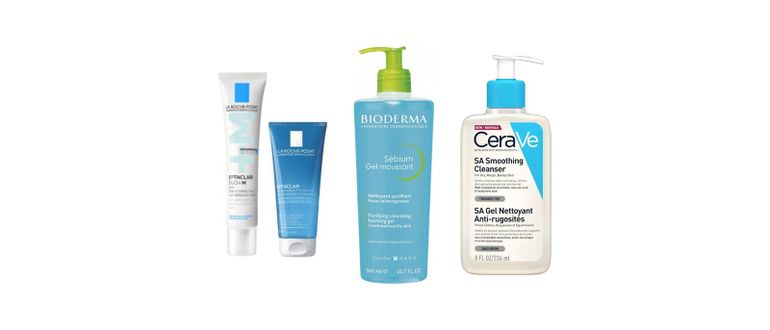
Exfoliating acids such as glycolic acid remove dead skin cells, so skin looks brighter and other ingredients work better. SKIN1004 Madagascar Centella Hyalu-Cica Brightening Toner 210ml from SKIN1004 uses mild AHA and LHA, and Bioderma Pigmentbio Foaming Cream 500ml from Bioderma includes citric acid in its cleansing formula.
To understand how serums differ and how to layer them, see our face serum guide or browse the skin serum section.
How long does it take for dark spots to fade?
A spot a few shades darker than your natural skin usually fades within 6 to 12 months once its cause is removed, according to the AAD, while pigment that sits deep in the skin, often slate blue or gray, can take years. Cleveland Clinic adds that products may take a few months to a year to work, and new spots can appear if you skip sun protection.
So give any product 8 to 12 weeks of consistent use before judging it, and take a photo in the same lighting every month to compare fairly. The AAD page on melasma diagnosis and treatment explains that melasma can be stubborn and return, with sunlight, stress and hormonal changes among its triggers, which is why it is best followed by a dermatologist.
How to choose a dark spot cream or serum
- Identify the cause: acne marks, sun spots or melasma. Recent acne marks usually respond faster; melasma needs medical advice.
- Know your skin type: oily skin does well with light serums such as the Axis-Y serum, while dry skin suits moisturizing creams like Rilastil D-Clar Daily Depigmenting Cream 40ml from Rilastil.
- Start with one active: do not combine several strong products at once, so you can tell what works and what irritates.
- Use a gentle cleanser: such as Eucerin Even Pigment Perfector Cleansing Gel 200ml, or browse the face cleanser section.
- Add concentrates gradually: such as Rilastil D-Clar Depigmenting Concentrate Drops 30ml or Cantabria Labs Neoretin Discrom Control Ultra Emulsion 30ml from Cantabria Labs, once your skin is used to the routine.
- Patch test: apply a small amount behind the ear or on the forearm for two days before using any brightening product on your whole face.
- Buy from a trusted seller: all products at Care Outlet are original and come from the brands' official agents and distributors inside and outside Saudi Arabia, and the store does not deal with any unknown source.
Comparison of top dark spot and tone-evening products
| Product | Brand | Best for | Key feature |
|---|---|---|---|
| La Roche-Posay Mela B3 Intense 30ml | La Roche-Posay | Visible dark spots | Melasyl with 10% niacinamide, per its description |
| Anua Dark Spot Serum 30ml | Anua | Acne marks and uneven tone | 10% niacinamide and 4% tranexamic acid |
| Axis-Y Dark Spot Serum 50ml | Axis-Y | Sensitive and acne-prone skin | 5% niacinamide with squalane |
| ACM Depiwhite Advanced 40ml | ACM Laboratoire | Face and body pigmentation | Kojic acid, vitamin C and vitamin B |
| ACM Depiwhite S SPF 50+ | ACM Laboratoire | Daily sun protection | Fragrance-free and water-resistant |
| Arencia Vitamin C Cream 30ml | Arencia | Dull skin | Vitamin C in a nourishing cream |
| Face Lab Niacinamide + Alpha Arbutin 50ml | Face Lab | Blemishes and small spots | 5% niacinamide and 1% alpha arbutin |
| Bioderma Pigmentbio Foaming Cream 500ml | Bioderma | Face and body cleansing | Brightening cleanser with citric acid |
| Rilastil D-Clar Drops 30ml | Rilastil | Adding a concentrate to your routine | Concentrated tone-evening drops |
| Medicube Vitamin C Pads (70) | Medicube | A quick routine | Ready-to-use vitamin C pads |
Common mistakes that make pigmentation worse
- Skipping sunscreen: the number one reason spots come back, even with the best brightening cream.
- Picking at pimples: Cleveland Clinic advises against picking at blemishes, because inflammation leaves new marks.
- Using products from unknown sources: the AAD warns that researchers found steroids or mercury, not listed on the label, in some imported skin lightening products, which can thin the skin or discolor it permanently.
- Applying household bleach or harsh home remedies: never put liquid bleach or concentrated lemon juice on your skin.
- Over-exfoliating: irritation itself can cause dark spots, especially in medium and darker skin. If a product burns or stings, stop using it.
- Expecting fast results: switching products every two weeks means you never learn what actually works.
Frequently asked questions
What is the best serum for pigmentation?
There is no single best serum for everyone. Niacinamide serums suit most skin types, vitamin C is a good fit for dull skin, and tranexamic acid is often paired with niacinamide. Choose based on your skin type and sensitivity, start with one product, and use it alongside sunscreen for several weeks before deciding whether it works for you.
Is a face brightening cream safe to use every day?
Cosmetic brightening creams from known brands and trusted sellers are usually designed for daily use as directed on the pack. Patch test first and stop if you notice redness or burning. Avoid any product from an unknown source or without a clear ingredient list, because some of these have been found to contain harmful substances that are not on the label.
How can I even out my skin tone naturally?
The most effective natural step is sun protection: daily sunscreen, a wide-brimmed hat and avoiding midday sun. Add gentle cleansing, regular moisturizing and keeping your hands off pimples. Harsh home remedies such as lemon juice can irritate the skin and make spots darker, so skip them and choose gentle, tested products instead.
Can pigmentation be removed completely?
Many spots can fade a great deal, especially recent acne marks, but new ones can appear if the cause continues or sun protection slips. Melasma in particular can last for years and come back after improving. A realistic goal is to fade the look of existing spots and prevent new ones, with a dermatologist's help for stubborn cases.
Can I use brightening products during pregnancy?
Pregnancy is a well-known trigger of melasma, which may fade after delivery. Before using any brightening cream or serum while pregnant or breastfeeding, ask your doctor or pharmacist to confirm its ingredients are suitable for you. During this time, daily sunscreen and a wide-brimmed hat remain the most useful things you can do to keep pigmentation from getting darker.
When should I see a dermatologist about dark spots?
See a doctor if a new spot changes in size, shape or color, or comes with itching, bleeding or other symptoms, or if pigmentation spreads quickly over large areas. You should also seek advice if your spots have not improved after several months of consistent cosmetic care and sunscreen, as you may need a medical assessment.
Start your tone-evening routine
Build a simple three-step routine: a gentle cleanser, a tone-evening serum or cream, and sunscreen every morning. You will find everything in our face brightening and whitening and face moisturizing sections, part of skin care at Care Outlet, available online and in our branches across Saudi Arabia. If your main concern is under the eyes, read our guide to dark circles under the eyes.