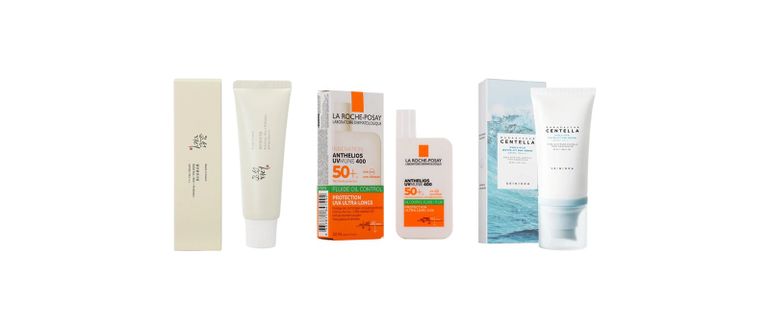

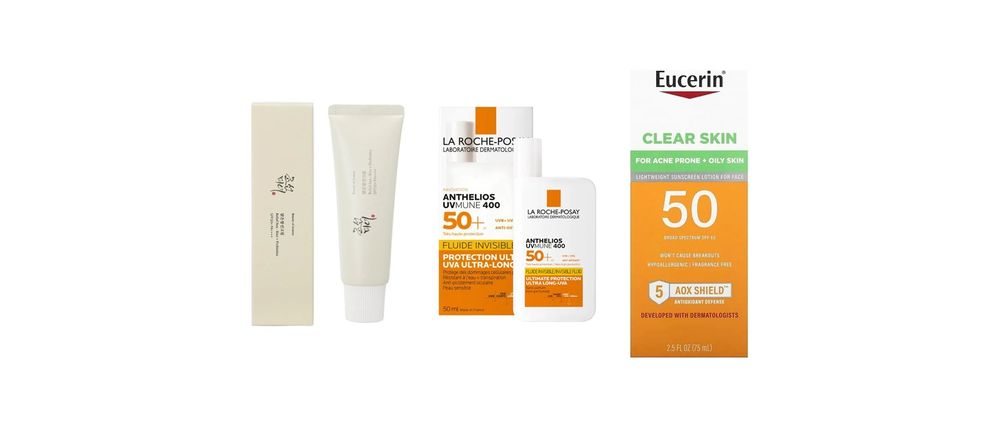
The best sunscreen is a broad-spectrum formula with SPF 30 or higher, in a texture that suits your skin type so you actually wear it every day, apply enough and reapply every two hours. Oily skin needs a light, non-pore-clogging texture, dry skin a moisturizing one, and sensitive skin a fragrance-free formula. Below: SPF and PA, mineral versus chemical filters and choosing for your skin, with picks from La Roche-Posay, Beauty of Joseon and SKIN1004.
Quick answer
- Choose a sunscreen labeled "broad spectrum" with SPF 30 or higher, so it protects against both UVA and UVB rays.
- SPF measures protection against sunburn, while the PA rating and its plus signs show the level of UVA protection.
- Oily and acne-prone skin needs a light "non-comedogenic" texture, dry skin a moisturizing sunscreen, and sensitive skin a fragrance-free formula.
- Tinted sunscreens contain iron oxides that help protect against visible light linked to darker patches, and they avoid a white cast on deeper skin tones.
- Apply about 15 minutes before going out and reapply every two hours and after swimming or sweating, even on cloudy days.
What do SPF, PA and broad spectrum mean?
SPF measures sunburn protection against UVB rays, broad spectrum means protection from both UVA and UVB, and PA rates UVA protection, so the SPF number alone is not enough.
Sun protection factor (SPF)
The US Food and Drug Administration (FDA) explains that SPF indicates the level of sunburn protection and relates to the amount of sun exposure, not its duration: SPF 30 does not mean you can stay out 30 times longer. According to the American Academy of Dermatology (AAD), SPF 30 blocks about 97% of UVB rays; higher numbers block slightly more, and no sunscreen blocks them all.
Broad spectrum
UVB mainly causes sunburn, while UVA reaches deeper and is linked to pigmentation and visible aging. The FDA warns that not all sunscreens are broad spectrum, so check the label.
The PA rating
PA is common on Korean and Japanese sunscreens and grades UVA protection from PA+ to PA++++; more plus signs mean more protection. One example is the SKIN1004 Madagascar Centella Air-Fit Suncream SPF30 PA++++, which carries the top grade.
What is the difference between mineral and chemical sunscreen?
The difference is the active ingredient: mineral (physical) sunscreens use zinc oxide, titanium dioxide or both, while chemical sunscreens use organic filters that absorb UV rays. The AAD says both work if they are broad spectrum and SPF 30 or higher, and some products combine the two.
- Mineral: recommended by dermatologists for sensitive skin, though it may leave a slight white cast. One example is the CeraVe AM Facial Moisturizing Lotion 52ml from CeraVe: broad-spectrum SPF 30 with InVisibleZinc technology, calming niacinamide and barrier-supporting ceramides.
- Chemical: usually lighter with no white cast, common in Korean sunscreens and fluids.
What is the best sunscreen for oily and acne-prone skin?
The best sunscreen for oily skin is a light fluid, gel or serum labeled "non-comedogenic" or "won't clog pores," as the AAD guide to choosing the right sunscreen recommends. Good options:
- Eucerin Sun Oil Control Light Face SPF 50 from Eucerin: made for oily skin, non-comedogenic and fragrance-free.
- Garnier Super UV Serum SPF50+ from Garnier: for oily and acne-prone skin, light and non-greasy.
- La Roche-Posay Anthelios Gel Cream SPF50+: a dry-touch texture that limits shine, absorbs fast and leaves no white marks.
If breakouts are your main concern, start with the right cleanser; see our guide to the best face wash for your skin type and browse acne care.
What is the best sunscreen for dry and sensitive skin?
Dry skin needs a sunscreen labeled moisturizing, and sensitive skin one labeled for sensitive skin and free of fragrance. The AAD advises sensitive skin to avoid fragrance, parabens and oxybenzone.
For dry and normal skin
- Beauty of Joseon Rice Sunscreen with Probiotics 50ml: 30% rice extract, fermented grain extracts and vitamins B, C and E to hydrate and soothe dry skin, in a light cream with no white or greasy layer.
- Vichy Capital Soleil Triple Action Cream for Normal to Dry Skin SPF50+ from Vichy: a silky texture with hyaluronic acid.
- SKIN1004 Hyalu-Cica Water-Fit Sun Serum SPF50+: hydrating, with a dewy finish.
For sensitive skin
- La Roche-Posay UVMune Air SPF50+: high protection in a light formula suited to sensitive skin.
- Bioderma Photoderm AR Anti-Redness SPF 50 Natural Tint from Bioderma: a moisturizing cream for redness-prone skin with a natural tint.
If redness or stinging appears, stop the product, and see a doctor or pharmacist if irritation continues.
Is tinted sunscreen better for dark spots and deeper skin tones?
Usually, yes. Tinted sunscreens contain iron oxides, and the AAD explains that visible light can increase skin darkening and that iron oxides help protect against it. It also recommends tinted formulas for darker skin to avoid a white cast.
- Vichy Capital Soleil Tinted BB Cream SPF50+: a tinted sunscreen with a matte finish.
- Bioderma Photoderm XDefense SPF50+ Very Light: a tinted sunscreen that evens out skin tone.
- EltaMD UV Clear Tinted SPF 46 from EltaMD: broad spectrum and tone-evening.
For dark spots, the La Roche-Posay Anthelios Anti-Pigmentation SPF50+ helps reduce the look of pigmentation, and the SKIN1004 Madagascar Centella Tone Brightening Tone-Up Sunscreen brightens and evens skin tone. Sunscreen protects the results of anything from face brightening or a brightening serum; see our face serum guide.
How much sunscreen do you need, and when should you reapply?
Most adults need about 1 ounce (roughly 30ml, enough to fill a shot glass) to cover exposed skin on the body, according to the AAD's sunscreen application tips. The AAD notes that people often apply only 20–50% of the amount needed.
- Apply about 15 minutes before going outside, as skin needs that time to absorb it.
- Cover your face, neck, ears, the backs of your hands and all exposed skin.
- Reapply every two hours, and immediately after swimming or sweating.
- Do not skip cloudy days: UV rays still reach your skin.
Sun in Saudi Arabia
Saudi sun is strong most of the year, and summer sweat removes sunscreen faster. Limit direct sun between 10 a.m. and 2 p.m., as the FDA advises, and remember there is no "waterproof" sunscreen: water-resistant products last 40 or 80 minutes. For reapplying over makeup, try the SKIN1004 Centella Sun Stick 20g with hyaluronic acid or the La Roche-Posay Anthelios Spray SPF 50 for oily and sensitivity-prone skin. For the body, try the Eucerin Sun Fragrance-Free Spray 170g. Sunscreen is not recommended for babies under six months; keep them in the shade and ask a doctor.
Comparison of the best sunscreens available
| Product | Brand | Best for | Key feature |
|---|---|---|---|
| Beauty of Joseon Rice Sunscreen | Beauty of Joseon | Dry and normal skin | 30% rice extract, no white cast |
| La Roche-Posay Anthelios SPF 50+ | La Roche-Posay | Everyday use | SPF 50+ |
| Beauty of Joseon Aqua Fresh | Beauty of Joseon | All skin types | Light, refreshing hydration |
| Eucerin Oil Control SPF 50 | Eucerin | Oily skin | Non-comedogenic, fragrance-free |
| Garnier Super UV Serum | Garnier | Acne-prone skin | Light, non-greasy serum |
| La Roche-Posay Anthelios Gel Cream | La Roche-Posay | Shiny skin | Dry touch, no white marks |
| CeraVe AM Moisturizing Lotion | CeraVe | Mineral fans | SPF 30 with zinc, ceramides, niacinamide |
| Bioderma Photoderm AR | Bioderma | Redness-prone skin | Natural tint |
| La Roche-Posay Anthelios Anti-Pigmentation | La Roche-Posay | Dark spots | Helps reduce the look of pigmentation |
| SKIN1004 Centella Tone-Up | SKIN1004 | Dull skin | Brightens and evens tone |
How to choose the right sunscreen: a practical checklist
- Check the basics: "broad spectrum" and SPF 30 or higher.
- Know your skin type: oily skin suits fluids and gels, dry skin moisturizing creams, sensitive skin fragrance-free formulas.
- Pick a texture you enjoy: you will apply it generously every day.
- Think about tint: if a white cast or dark spots bother you, try a tinted sunscreen.
- Build your routine: sunscreen is the last morning step after moisturizer; browse face moisturizing and read our moisturizer guide by skin type.
- Buy from a trusted source: all Care Outlet products are original and come from the brands' official agents inside and outside Saudi Arabia.
Common mistakes
- Applying too little: a thin layer falls short of the label SPF.
- Applying once a day: protection fades with time and sweat outdoors.
- Relying on a low-SPF foundation or moisturizer: a useful extra, not a replacement for SPF 30 or higher.
- Forgetting lips and hands: use a balm from lip care and a hand cream with SPF such as the QV Hand Cream SPF15+.
- Using expired sunscreen: check the date on the pack.
Frequently asked questions
What is the best sunscreen?
The best sunscreen is broad spectrum, SPF 30 or higher, in a texture that suits your skin so you use it daily. For dry skin, try Beauty of Joseon Rice Sunscreen; for oily skin, Eucerin Oil Control or the Anthelios Gel Cream; for dark spots, Anthelios Anti-Pigmentation or a tinted sunscreen. What matters most is your skin type and reapplying.
What is the best sunscreen for oily skin?
Choose a light gel, fluid or serum labeled non-comedogenic. Good options include the fragrance-free Eucerin Oil Control Light Face, Garnier Super UV Serum for acne-prone skin, the dry-touch La Roche-Posay Anthelios Gel Cream, and the PURAVIE Oily Skin Sunscreen, which helps control shine through the day.
What is the difference between sunblock and sunscreen?
"Sunblock" is a popular name often used for mineral products with zinc oxide or titanium dioxide, while "sunscreen" is the general term for all of them. In everyday use they mean almost the same thing. What matters is that the product is broad spectrum, SPF 30 or higher, and applied in a generous amount.
Is La Roche-Posay sunscreen good for sensitive skin?
The La Roche-Posay Anthelios range includes products described as suitable for sensitive skin, such as the lightweight UVMune Air and the Anthelios Spray for sensitivity-prone skin. Try any new product on a small area first, and see a doctor if irritation persists.
Is SPF 50 much better than SPF 30?
The gap is smaller than the numbers suggest: SPF 30 blocks about 97% of UVB rays according to the AAD, and higher SPFs block slightly more. A higher SPF does help if you apply less than you should, which is common, or spend long hours outdoors. Either way, reapply every two hours.
Where to buy original sunscreen
The sunscreens section at Care Outlet brings together La Roche-Posay, Beauty of Joseon, SKIN1004, Eucerin and more in cream, fluid, serum, spray and stick formats, online or at our branches across Saudi Arabia. Also browse skin care.