
The best acne care products are the ones that suit your skin type and work together in a simple routine: a gentle cleanser for oily skin, a light moisturizer that won't clog pores, a non-greasy sunscreen, and then one targeted product added gradually. Here are the main types of acne care products, who each type suits, and how to choose between them.
Quick answer
- Acne forms when excess oil and dead skin cells clog pores, with bacteria and inflammation making it worse, so a good routine targets these factors gently.
- Gentle cleansing twice a day and after sweating is the foundation; harsh scrubbing irritates skin and does not clean it any better.
- Acne-prone skin still needs a moisturizer, as long as it is oil-free or labelled non-comedogenic.
- A non-greasy daily sunscreen is essential, especially when you use exfoliating or drying products.
- Introduce one new product at a time and give it several weeks before judging it, because constant switching irritates the skin.
- Deep, painful spots or breakouts that leave scars need a dermatologist, not more cosmetic products.
What is acne and why does it happen?
Acne is a common skin condition that develops when hair follicles become plugged with sebum (the natural oil your skin produces) and dead skin cells. According to Mayo Clinic, four main factors are involved: excess oil production, clogged follicles, bacteria and inflammation. That is why breakouts favour the face, chest and upper back.
Spots come in several forms, and you may have more than one type at once:
- Whiteheads: small skin-coloured bumps, which are closed, clogged pores.
- Blackheads: open clogged pores whose contents darken when exposed to air. They are not dirt.
- Papules and pustules: red, inflamed spots; a pustule has pus at its tip.
- Nodules and cysts: deep, painful lumps under the skin. This is the most severe form and needs a doctor.
Acne is not caused by poor hygiene, and hard scrubbing can make it worse. For a fuller look at causes and a daily routine, read Acne: common causes and a routine for acne-prone skin.
What types of acne products are there, and what does each one do?
There are six main groups, and you do not need all of them at once.
1. Face cleansers for oily skin
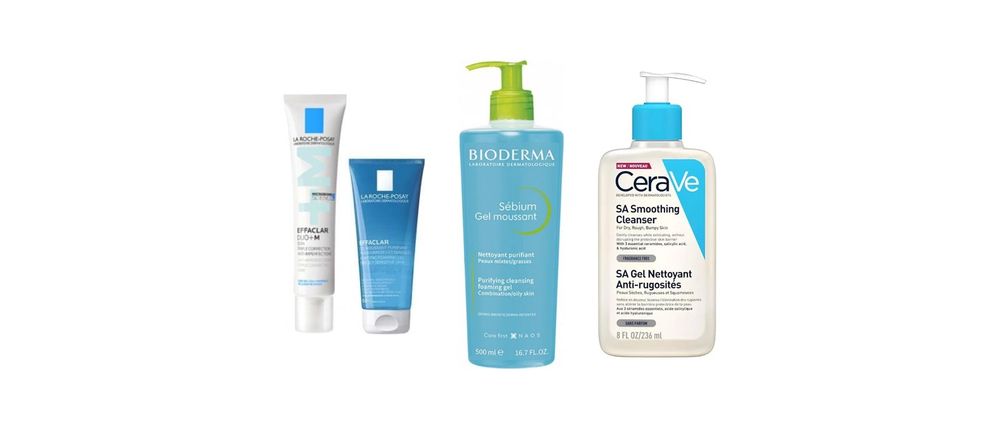
The cleanser is the most important step: it removes excess oil without stripping the skin. Options include the Bioderma Sébium Foaming Gel Cleanser 500ml from Bioderma, which gently removes impurities and excess oil. The Avène Cleanance Cleansing Gel for Face and Body 400ml from Avène suits breakouts on both face and body and helps regulate oil.
If you prefer a cleanser with an exfoliating ingredient, the CeraVe Salicylic Acid Cleansing & Smoothing Gel for Face & Body 236ml from CeraVe combines salicylic acid, a beta hydroxy acid that exfoliates inside the pore, with ceramides that support the skin barrier. There is also the Neutrogena Spot Controlling Facial Wash 200ml from Neutrogena for controlling spots and reducing excess oil, and the Rilastil Acnestil Purifying Cleansing Gel 200ml, which contains salicylic, mandelic and lactic acids. To compare every type of cleanser, see the best face wash for your skin type or browse face cleansers.
2. Micellar water for removing makeup
Leftover makeup can clog pores. The Garnier Skin Active Micellar Water for Acne-Prone Skin 400ml from Garnier lifts dirt, oil and makeup with charcoal and salicylic acid; follow it with your usual cleanser.
3. Light, non-greasy moisturizers
Oily skin still needs moisture. Try the Bioderma Sebium Hydra Moisturizing Cream 40ml for oily and combination skin, while the Avène Cleanance Hydra Soothing Cream 40ml is designed to comfort and hydrate oily, acne-prone skin, especially when other products leave it dry. The Kinta 345 Moisturizing & Soothing Cream 50ml hydrates and calms skin after breakouts. You will find more options under face moisturizing.
4. Targeted creams for acne-prone skin
The best-known leave-on option is La Roche-Posay Effaclar Duo+M 40ml from La Roche-Posay, a daily cream for oily, acne-prone skin with LHA technology. It also comes as an Effaclar Duo+M 40ml set with a 50ml Effaclar cleansing gel. Other options include the CeraVe SA Smoothing Cream 177ml, a non-greasy moisturizing and exfoliating cream for dry, rough, acne-prone skin, and the Rilastil Acnestil Microbiome Corrective Cream, which supports the skin's microbiome balance.
5. Exfoliants and pads
Chemical exfoliants remove pore-clogging dead cells but can dry the skin if overused. Examples are the Rilastil Acnestil Micropeeling Lotion 100ml from Rilastil and the Medicube Zero Pore Pad 2.0 (70 pads) from Medicube, which gently cleanse and refine the look of pores. For back and chest breakouts there is the Medicube Exfoliating Body Spray 110g. See more under face exfoliation.
6. Patches and masks
Spot patches cover a visible pimple and protect it from touching and picking, for example the Some By Mi 30 Days spot patches (18 patches) from SOME BY MI. The Medicube Zero Pore Blackhead Mud Mask 100ml targets blackheads and pores and is used once or twice a week. Browse more in face masks.
How do you choose an acne product for your skin type?
Choose by skin type first, then by breakout type.
- Oily skin: a gel or foaming cleanser, a light gel or mattifying moisturizer, and a fluid, non-greasy sunscreen. A salicylic acid cleanser or exfoliant can be added.
- Combination skin: a gentle cleanser for the whole face, a balanced moisturizer, and exfoliants or masks on the forehead, nose and chin only.
- Dry, acne-prone skin: a cleanser that leaves no tightness, a moisturizer with ceramides, and exfoliants only occasionally.
- Sensitive or irritated skin: as few products as possible, a soothing moisturizer, and a patch test on a small area before using anything new on your whole face.
Does acne-prone skin need a moisturizer?
Yes, acne-prone skin needs a daily moisturizer, especially when you use drying products. The American Academy of Dermatology explains that when skin becomes dry, it produces more oil, which can clog pores and lead to more breakouts. Look for "oil-free" or "non-comedogenic" on the label, and apply it right after cleansing while your skin is still slightly damp. To find the right one for your skin, read the best moisturizer for each skin type.
Why is sunscreen part of an acne routine?
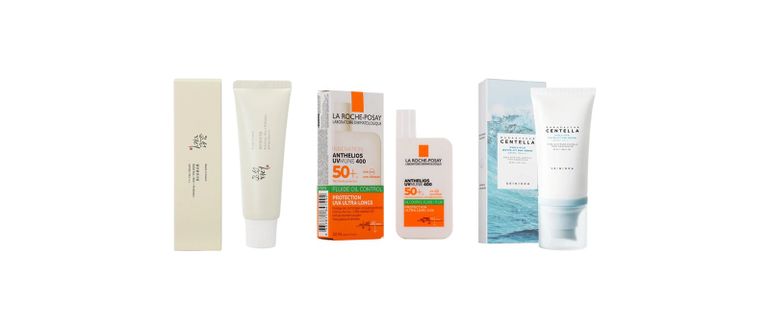
Sun can worsen acne and deepen post-breakout marks, and exfoliants make skin more UV-sensitive. The American Academy of Dermatology recommends a broad-spectrum sunscreen with SPF 30 or higher that says it won't clog pores. A lightweight option is the Garnier Super UV Sunscreen Serum SPF50+ for Acne-Prone Skin, with a non-greasy texture. For more choices, browse sunscreens.
Comparing the top acne care products
| Product | Brand | Best for | Key feature |
|---|---|---|---|
| Effaclar Duo+M 40ml + 50ml cleanser | La Roche-Posay | Oily, acne-prone skin | Daily cream with LHA plus a travel-size cleanser |
| Sébium Foaming Gel 500ml | Bioderma | Oily skin | Removes excess oil gently without drying |
| Salicylic Acid Cleansing Gel 236ml | CeraVe | Face, body and rough skin | Gentle exfoliation with ceramides |
| Cleanance Cleansing Gel 400ml | Avène | Oily face and body | Helps regulate oil while preventing dryness |
| Spot Controlling Facial Wash 200ml | Neutrogena | Oily skin with spots | Deep cleansing and less excess oil |
| Sebium Hydra Moisturizing Cream 40ml | Bioderma | Oily and combination skin | Light facial hydration |
| Cleanance Hydra 40ml | Avène | Skin dried out by other products | Soothing hydration for acne-prone skin |
| Super UV Sunscreen Serum SPF50+ | Garnier | Daily protection for oily skin | Lightweight, non-greasy formula |
| Acnestil Micropeeling Lotion 100ml | Rilastil | Oily skin with clogged pores | Gentle exfoliation and pore purifying |
| Zero Pore Pad 2.0 | Medicube | Visible pores and excess oil | Ready-to-use pads |
How to choose acne products and build your routine step by step
Start with the basics, then add one targeted product.
- Know your skin type: does it shine a few hours after washing, feel tight, or get irritated easily?
- Know your breakouts: blackheads and clogged pores benefit from cleansing and gentle exfoliation, while red, inflamed spots need a calmer approach.
- Read the label: look for "non-comedogenic" and "oil-free", and skip alcohol-based products if your skin gets irritated.
- Cover the basics: cleanser morning and night, a light moisturizer, and sunscreen every morning.
- Add one product: a targeted cream or an exfoliant, starting once a day or every other day.
- Patch test first: apply a little along the jawline for a few days to check for irritation.
- Be patient: results usually take several weeks, so don't judge a product in the first few days.
When you shop, make sure the product is authentic. All products at Care Outlet are original and sourced from the brands' official agents and distributors inside and outside Saudi Arabia, and you can order online or visit the store's branches across the Kingdom.
Common mistakes with acne-prone skin
- Picking or squeezing spots: it makes them last longer and raises the risk of scars and dark marks.
- Scrubbing with towels or sponges: wash with your fingertips instead, because friction irritates the skin.
- Stacking drying products: an exfoliating cleanser, an exfoliating lotion and pads together overwhelm the skin barrier.
- Skipping moisturizer: dry skin may produce even more oil.
- Switching products every week: constant changes irritate skin and stop you learning what actually works.
- Sleeping in makeup: remove it every evening, then cleanse.
When should you see a doctor or pharmacist?
See a doctor if your acne does not improve with home care, or if spots are numerous, deep, painful or leaving scars. The NHS notes that a doctor can offer stronger treatments than those sold in shops, and that a pharmacist can advise on milder acne. Also get help for hot, swollen skin or if acne affects your mental health. The cosmetic products in this guide support skin care, but they do not replace a medical diagnosis.
Frequently asked questions
What is the best face wash for acne?
The best face wash for acne is a gentle one that suits your skin type, used twice a day and after sweating. Oily skin does well with gel and foaming formulas such as Bioderma Sébium and Avène Cleanance, and if you want light exfoliation there is CeraVe's salicylic acid cleanser. Avoid harsh washes and anything with rough grains.
Does moisturizer make acne worse?
The right moisturizer does not make acne worse; it actually helps your skin tolerate drying products. Choose one that is oil-free or labelled non-comedogenic, with a light texture. The American Academy of Dermatology recommends applying it straight after cleansing to lock water into the skin.
How often should I exfoliate oily skin?
Start with two or three times a week, then increase gradually if your skin handles it without redness or tightness. Don't combine more than one exfoliating product in the same routine, and stop if irritation appears. Be consistent with moisturizer and sunscreen on the days you exfoliate.
Do pimple patches work?
Pimple patches are useful for protecting a visible spot from touching, picking and friction, which lowers the chance of it leaving a mark. Apply them to clean, dry skin and leave them on for several hours or overnight. They suit surface spots; deep, painful bumps call for a dermatologist's advice.
Is sunscreen safe for acne-prone skin?
Yes, sunscreen is essential for acne-prone skin, as long as you choose a light, non-greasy formula labelled non-comedogenic. Use a broad-spectrum SPF 30 or higher every day and reapply when you stay in the sun, because UV can deepen the dark marks that breakouts leave behind.
How long do acne products take to work?
Most acne products need several weeks to show results, and it can take a few months. Stick with the same routine and avoid swapping products too quickly. If you see no improvement after a fair trial, or spots become deeper and more painful, see a dermatologist.
How do I care for back and chest acne?
Use a body-friendly cleanser such as Avène Cleanance or CeraVe's salicylic acid gel, and shower straight after exercise or sweating. Wear loose, breathable cotton clothing, and you can add an exfoliating body spray now and then. If the spots are deep or painful, see a doctor.
Acne-prone skin needs the right choices, not a shelf full of products. Start with the acne care section, then complete your routine from skin care at Care Outlet.