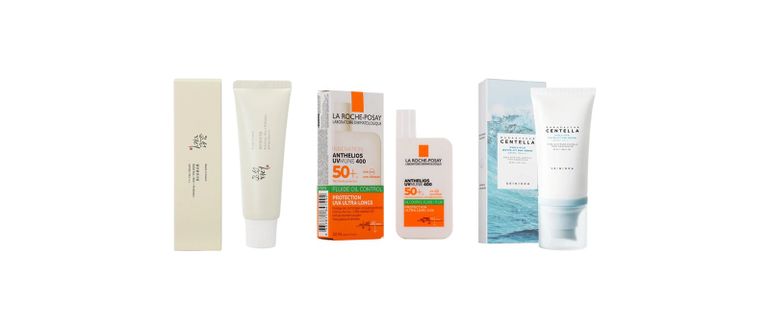

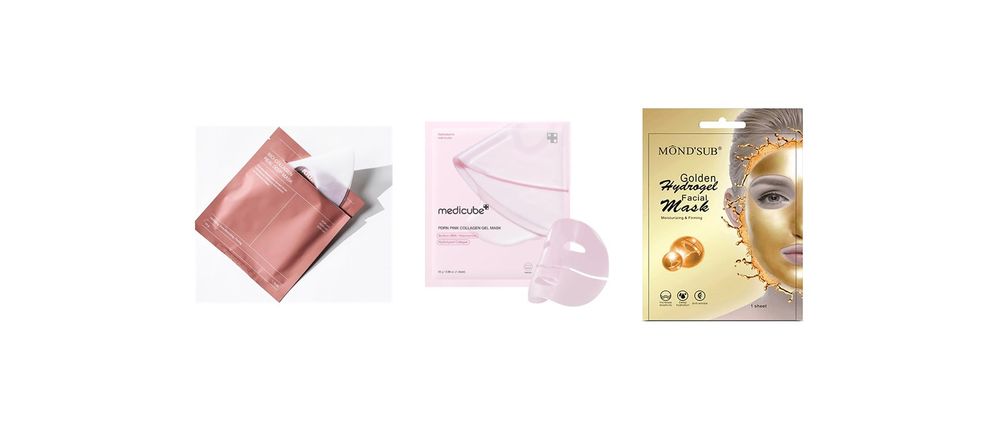
Face masks are treatments you leave on the skin for a few minutes or overnight to give it a concentrated boost of hydration, purification or glow. To choose the right one, start with your skin type and what it needs right now: clay and charcoal masks for oily skin and visible pores, hydrogel, sheet and overnight masks for dry or dull skin, and gentle soothing masks for sensitive skin. Below: the main types, correct use and mistakes to avoid, with picks from our face masks category.
Quick answer
- A face mask is an extra step; the foundation of skin care is still a gentle cleanser, a moisturizer and daily sunscreen.
- Oily skin and enlarged-looking pores suit clay and charcoal masks, while dry and dull skin suits hydrogel, collagen and overnight masks.
- Apply a mask to a clean face washed with lukewarm water and a gentle cleanser, then follow with moisturizer.
- Stick to the time on the pack, and never leave a clay mask on until it cracks.
- Test any new mask on a small patch of skin first, especially if it contains acids, retinol or fragrance.
- If you notice redness, burning or swelling, rinse the mask off right away and see a doctor or pharmacist if the irritation continues.
What is a face mask, and does your skin really need one?
A face mask is a concentrated formula applied for a set time to do one clear job, such as hydrating, absorbing oil or giving the skin a brighter look. Masks are not essential, but they help with temporary needs such as winter dryness, extra shine on hot days or a fresher look before an occasion.
The American Academy of Dermatology (AAD) advises using products that match your skin's needs, whether it is oily, dry, normal, combination or sensitive, and stresses daily sunscreen as one of the most important skin habits. So get the basics right first, then add the right mask once or twice a week. Our face care buying guide helps you build the full routine.
What are the types of face masks, and how do they differ?
Masks differ in texture and in how they work. The main types:
Sheet masks
A fabric or fiber sheet soaked in a hydrating essence, usually left on for around 15 to 20 minutes or as the pack says. Easy and usually rinse-free. Examples include the Backstage Vitamin C Hydrating Sheet Mask from Backstage, described as helping to hydrate and brighten the skin, and the Mond'Sub Hemp Seed Oil Sheet Mask, which helps hydrate and soften the look of fine lines.
Hydrogel and gel masks
Hydrogel is a water-holding jelly that clings to the skin and stays cool and hydrating. Examples include the Medicube PDRN Pink Collagen Gel Mask from Medicube, which turns clear as its essence absorbs, the MOND'SUB Gold Hydrogel Face Mask from MONDSUB, and the L'Oréal Revitalift Hydrogel Sheet Mask from L'Oréal Paris with hyaluronic acid and centella asiatica.
Clay and charcoal masks
These contain clays such as bentonite or green clay, or charcoal, and work by absorbing excess oil and impurities from the skin's surface. They suit oily and combination skin and the T-zone. Examples include the SKIN1004 Centella Quick Clay Stick Mask from SKIN1004, the Backstage Bamboo Charcoal Face Mask and the Medicube Zero Pore Blackhead Mud Mask.
Sleeping masks
A hydrating layer applied as the last step of your evening routine and left on until morning to keep the skin moisturized while you sleep. Examples include the Elishacoy Moist Up Collagen Sleeping Mask 50ml from Elishacoy and the Biodance Bio-Collagen Real Deep Overnight Mask from Biodance, described as boosting hydration and elasticity and reducing the look of fine lines.
Peel-off and wrapping masks
You apply a layer that dries into a film, then peel it away after the set time. Examples include the Medi-Peel Red Lacto Collagen Mask 70ml from Medi-Peel and the Medicube Collagen Night Wrapping Mask 75ml. Peel slowly from the edges.
Targeted patches
Small patches for one area, such as the I'm Sorry for My Skin Hydrogel Eye Patches with collagen and vitamins, Careline Nose Pore Strips for blackheads, and the Some By Mi patches for blemishes from SOME BY MI.
Which face mask suits your skin type?
Pick for your skin's most obvious need right now:
Dry or tight skin
Go for hydrating masks: hydrogel, masks with hyaluronic acid (an ingredient that draws water into the skin's surface and holds it there) and overnight masks. Good options are the MOND'SUB Hydrating Mask with Hyaluronic Acid and the Mond'Sub Coconut Water and Probiotic Mask. Avoid leaving clay masks on for long, as they can make dryness feel worse. See our winter dry skin guide for more.
Oily skin and visible pores
Clay and charcoal masks once or twice a week work well, and if your skin is combination you can apply them to the T-zone only. NOW European Clay 170g is a powder you mix into a mask that cleanses and absorbs excess oil. If you are prone to breakouts, read our routine for acne-prone skin and browse the acne care category.
Sensitive skin
Choose masks with short ingredient lists and, where possible, no alcohol or fragrance, such as the I'm Sorry For My Skin pH5.5 Jelly Mask from I'm Sorry For My Skin, made to hydrate and soothe sensitive skin, the brand's Soothing Green Clay Mask, or the MOND'SUB Chamomile Face Mask. Stay away from strong exfoliating masks.
Dull or uneven-looking skin
Brightening masks help here, such as the Backstage vitamin C mask, the MOND'SUB Rose Brightening and Moisturizing Mask and the Nature Soap Licorice Mask with Fruit Acids, which is left on for 3 to 5 minutes according to its directions. Even skin tone also needs daily sunscreen. Browse the face brightening category for more.
Fine lines and loss of firmness
Look for collagen and peptide masks, such as the Mond'Sub Firming Mask with Hexapeptides or the Some By Mi Retinol Intensive Care Mask. Retinol can irritate sensitive skin, so do not pair it with an exfoliant on the same night.
How do you use a face mask correctly?
Apply the mask to clean skin, keep to the stated time, then moisturize straight away. Here are the steps in order:
- Wash your face with lukewarm water and a gentle, alcohol-free cleanser using your fingertips, as the American Academy of Dermatology recommends, then pat dry with a soft towel. Find a cleanser in our face cleanser category.
- Apply an even layer, avoiding the eyes and lips.
- Follow the time on the pack; clay masks are usually shorter, while sleeping masks stay on until morning.
- Rinse clay masks with lukewarm water; remove sheet and hydrogel masks and pat any leftover essence into the skin.
- Follow with serum if you use one, then moisturizer. Our face serum guide and face moisturizing category can help.
- If you mask in the morning, finish with sunscreen.
How often should you use a face mask?
Hydrating masks can be used two to three times a week, while clay and exfoliating masks are best kept to once or twice, depending on how your skin tolerates them. The AAD's guide to exfoliating at home warns that over-exfoliating can leave skin red and irritated, that aggressive exfoliation can lead to more dark spots in people with darker skin tones, and that retinol makes skin more sensitive to exfoliation. Skip masks on sunburned or broken skin.
Comparison of the best face masks in store
| Product | Brand | Best for | Key feature |
|---|---|---|---|
| Biodance Bio-Collagen Overnight Mask | Biodance | Dry skin and fine lines | Overnight mask that boosts hydration and elasticity |
| Medicube PDRN Pink Collagen Gel Mask | Medicube | Dull skin that needs hydration | Gel that turns clear as the essence absorbs |
| MOND'SUB Gold Hydrogel Face Mask | MONDSUB | A quick glow before an occasion | Hydration, instant radiance and a smooth feel |
| SKIN1004 Quick Clay Stick Mask 27g | SKIN1004 | Oily skin and pores | Centella clay stick that absorbs excess oil |
| Backstage Bamboo Charcoal Face Mask | Backstage | Oily and combination skin | Removes impurities with a gentle formula |
| Medicube Zero Pore Blackhead Mud Mask 100ml | Medicube | Blackhead-prone areas | Mud mask aimed at pores and blackheads |
| Elishacoy Collagen Sleeping Mask 50ml | Elishacoy | Overnight hydration | Sleeping mask for the last step of the evening routine |
| I'm Sorry for My Skin Soothing Green Clay Mask | I'm Sorry For My Skin | Purifying with a soothing touch | Natural clay, volcanic ash and bentonite |
| Medi-Peel Red Lacto Collagen Mask 70ml | Medi-Peel | Fans of wrapping masks | Dries and peels off for a smoother feel |
| L'Oréal Revitalift Hydrogel Mask | L'Oréal Paris | Deep hydration | Hyaluronic acid and centella asiatica |
How to choose the right face mask: a quick checklist
- Know your skin type: oily, dry, combination, sensitive or normal.
- Set today's goal: hydration, oil control, soothing, glow or eye-area care.
- Pick the texture: sheet or hydrogel for speed, clay for purifying, sleeping masks for long-lasting moisture, wrapping masks if you enjoy peeling.
- Read the ingredients: hyaluronic acid and collagen for hydration, clay and charcoal for purifying; be careful with acids, retinol and fragrance if your skin is sensitive.
- Test it first: the American Academy of Dermatology recommends trying a new product on a small spot, such as the inner arm, for several days before using it regularly.
- Buy from a trusted seller: all Care Outlet products are original and come from the brands' official agents inside and outside Saudi Arabia.
Common face mask mistakes
- Letting clay dry until it cracks: over-drying can tighten and irritate the skin, so rinse on time.
- Scrubbing hard to remove it: the AAD advises against scrubbing because it irritates the skin.
- Overdoing purifying and exfoliating masks: daily use can weaken the skin barrier and increase redness.
- Skipping moisturizer afterwards: even a hydrating mask needs a moisturizer to seal it in.
- Squeezing spots before or after masking: the AAD explains that popping acne makes it take longer to clear and raises the risk of scars and dark spots.
Frequently asked questions
What are the best face masks for oily skin?
The best face masks for oily skin are clay and charcoal masks, because they absorb excess oil and impurities from the skin's surface. Options in store include the SKIN1004 Quick Clay Stick Mask, the Backstage Bamboo Charcoal Mask and the Medicube Zero Pore Mud Mask. Use them once or twice a week, then apply a light moisturizer suited to oily skin.
Do I use a face mask before or after moisturizer?
Most masks go on after cleansing and before serum and moisturizer. Sleeping masks are the exception: they go on at the end of your evening routine, over or instead of moisturizer, depending on the directions.
Can I use a face mask every day?
Some gentle hydrating masks can be used often if your skin tolerates them, but for most people two or three times a week is enough. Clay and exfoliating masks should not be used daily, since overuse can cause dryness and redness.
How long should you leave a face mask on?
It depends on the type, and the directions on the pack come first. Sheet and hydrogel masks usually stay on for 15 to 20 minutes, clay masks for less and never until they crack, and sleeping masks until morning. Longer is not better.
Are face masks suitable for sensitive skin?
Yes, as long as you choose a gentle mask with a short ingredient list and, where possible, no alcohol or fragrance, such as the I'm Sorry For My Skin pH5.5 Jelly Mask. Patch test first and avoid strong exfoliating masks. If redness, itching or swelling appears, rinse the mask off at once and talk to a doctor or pharmacist.
Shop original face masks
Our face masks category at Care Outlet offers sheet, hydrogel, clay and overnight masks plus eye and nose patches, online or in our branches across Saudi Arabia. To complete your routine, browse the skin care, eye care and face exfoliation categories, plus our moisturizer guide.
Sources
- American Academy of Dermatology (AAD): Skin care secrets for healthier-looking skin
- American Academy of Dermatology (AAD): Face washing 101
- American Academy of Dermatology (AAD): How to safely exfoliate at home
- American Academy of Dermatology (AAD): How to test skin care products
- American Academy of Dermatology (AAD): Acne tips for managing